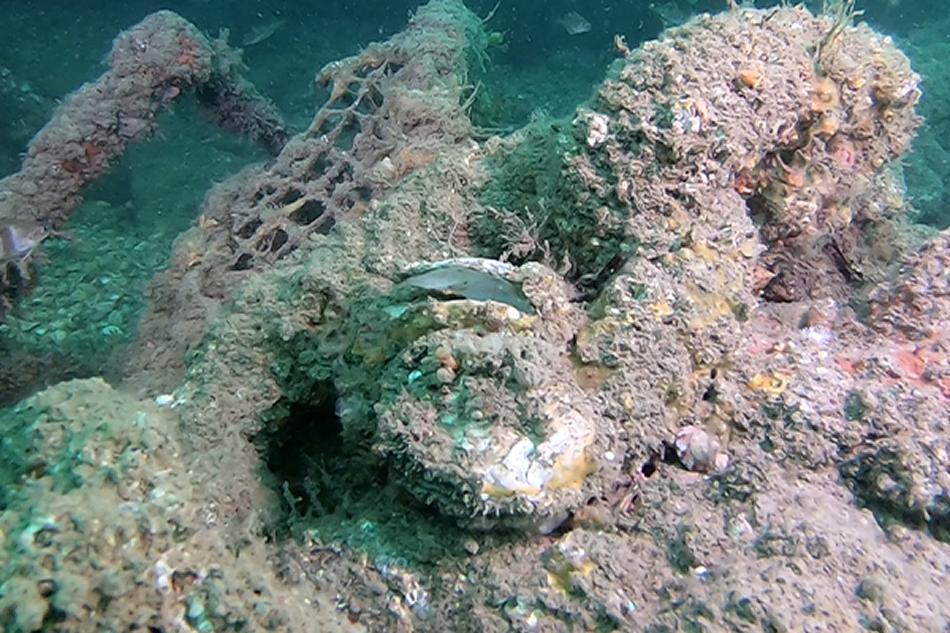
A BSAC Marine Champion has signed up to help an oyster restoration project in North Wales with the aim of boosting the number of oysters in our native waters.
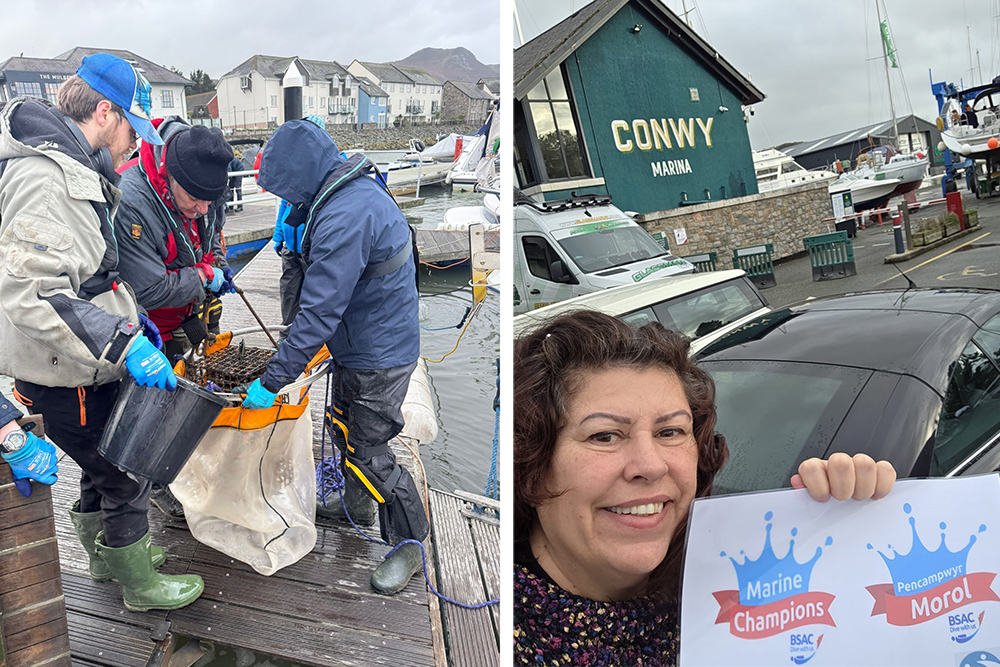
Mel Hough-Milton is Flintshire Sub-Aqua Club's designated Marine Champion and an enthusiastic diver, keen to help in environmental projects. She recently spent a weekend volunteering to monitor oysters in the harbour in Conwy Bay marina.
She explained how the opportunity came about:
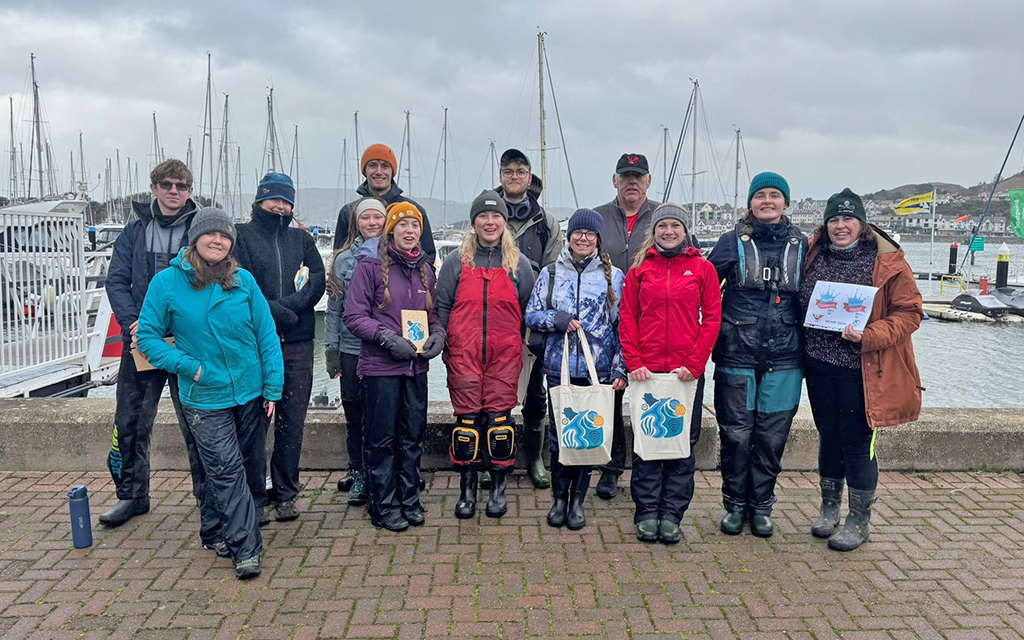
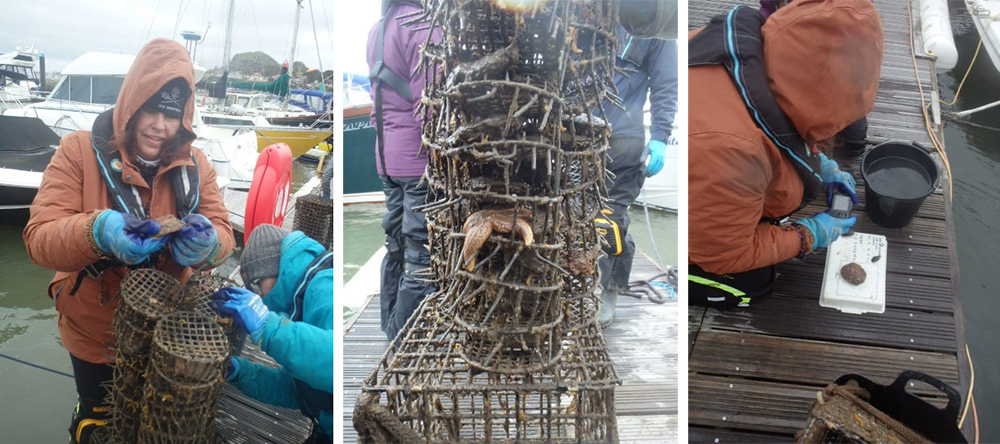
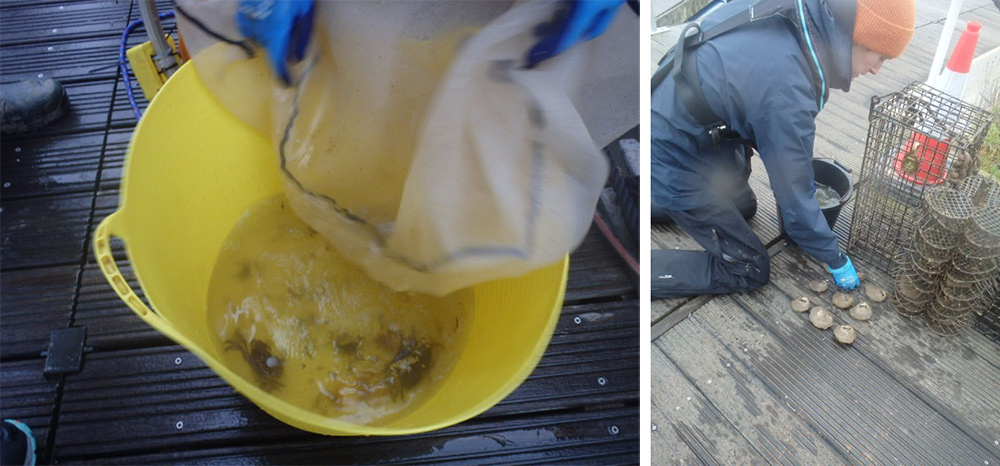
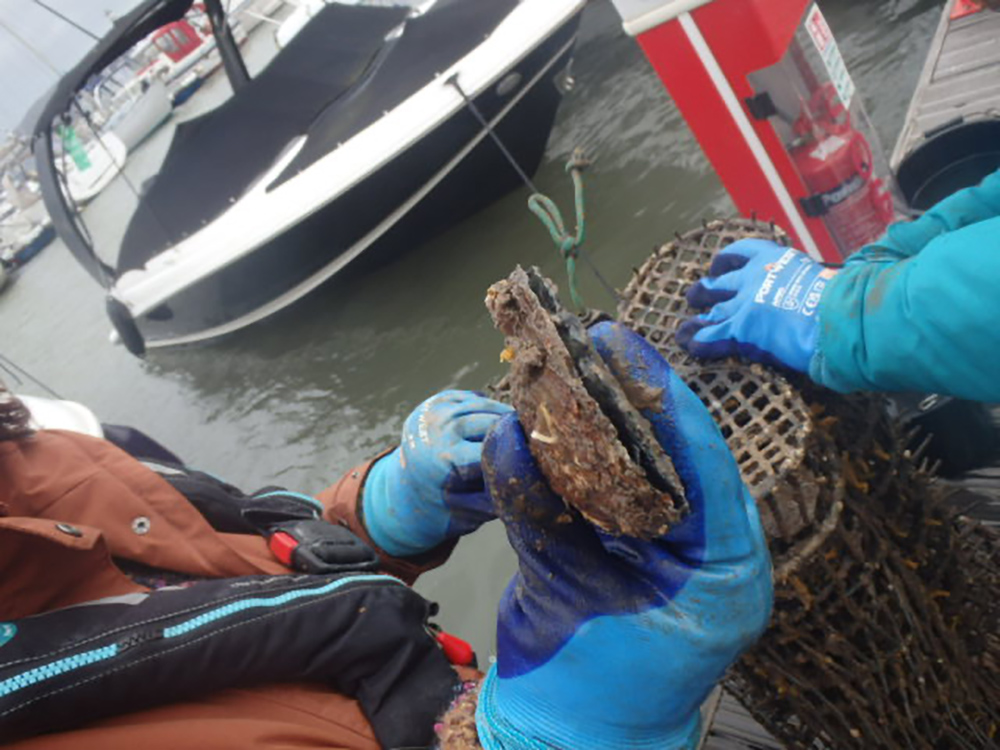
"I was lucky enough to be a volunteer with twelve other Volunteers for The North Wales Wild Oyster Project, checking the health of every Oyster in our Oyster Nurseries and recording the biodiversity amongst them.
The native oysters restoration under Conwy marina have a monthly monitoring session. The arrangements are coordinated by Marie and Rhianna, Project Officers.
Marie and Rhianne are both enthusiastic and committed marine scientists, who coordinated a list of local volunteers pooled from the marine courses at Bangor University, and local, North Walian residents.
A long history of oysters
Conwy itself is a medieval town with a rich history and was once home to one of the most important pearl mussel fisheries in the country. The oyster beds provided a significant number of pearls for jewellers in London in the early 1800s. However, fishing for native oysters in Wales had begun much earlier. Native oyster shells have been discovered dating back to the Neolithic and the Bronze Age (about 12,000 years ago)!
"There are now only a few small native oyster populations left in Wales. By working together we hope to restore this historically important species and support native ocean life."
The UK’s only native oyster, Ostrea edulis, is in decline, with a 95% drop in population numbers due to overfishing, disease, pollution and habitat loss.
BSAC members are able to help protect this vulnerable species and reverse its decline by supporting BSAC’s Operation Oyster.
One of the largest environmental projects ever organised by BSAC, Operation Oyster aims to engage members, divers and snorkellers in helping to rehabilitate the UK’s vulnerable native oyster beds.
Operation Oyster is a nationwide citizen science project through which divers and snorkellers can contribute to the data held on the native oyster populations around the British Isles.
Andy Hunt, BSAC's Operation Oyster co-ordinator said:
Operation Oyster positively showcases that diving with a purpose can have long-term benefits.
We now have the perfect opportunity to ensure that the data gathered by our divers will feed into real-time research to ensure the protection and rehabilitation of our native oyster species.
Get involved with Operation Oyster
To view the latest Operation Oyster Report, or to find out how you can get involved in the project’s upcoming activities go to bsac.com/operationoyster