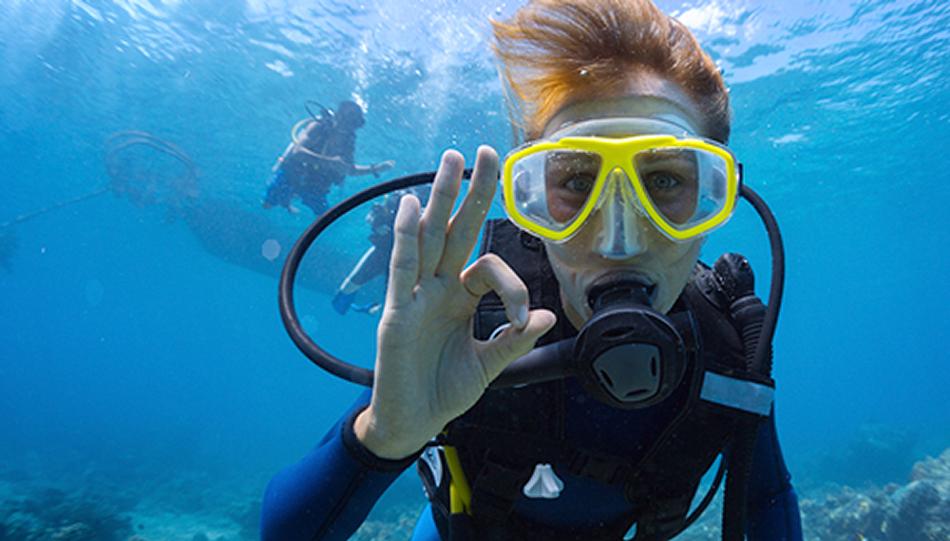
Cold, yes. Grim, no. The UK has more wrecks than almost anywhere on earth, seals that swim up to say hello, and kelp forests an hour from most of the country. Here's what to expect — whether you've never dived, or you've only ever dived somewhere warm.
Let's deal with the cold first
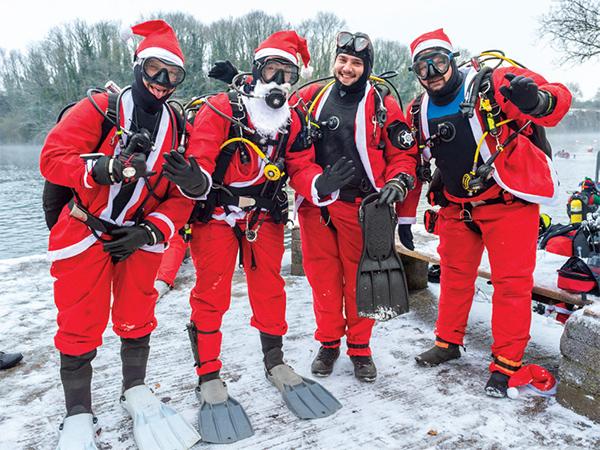
It's the question everyone asks, so: UK sea temperatures run from around 6–10°C in winter to 15–20°C by late summer. That may sound unappealing until you understand that UK divers don't get cold, because they don't dive in a 3mm wetsuit. They dive dry.
A drysuit keeps you dry (no surprise there) with a snug warm layer underneath. It's a game changer for UK diving and supports year-round diving for those that want to do it.
Clubs teach drysuit use. Usually starting in a pool.
And the visibility?
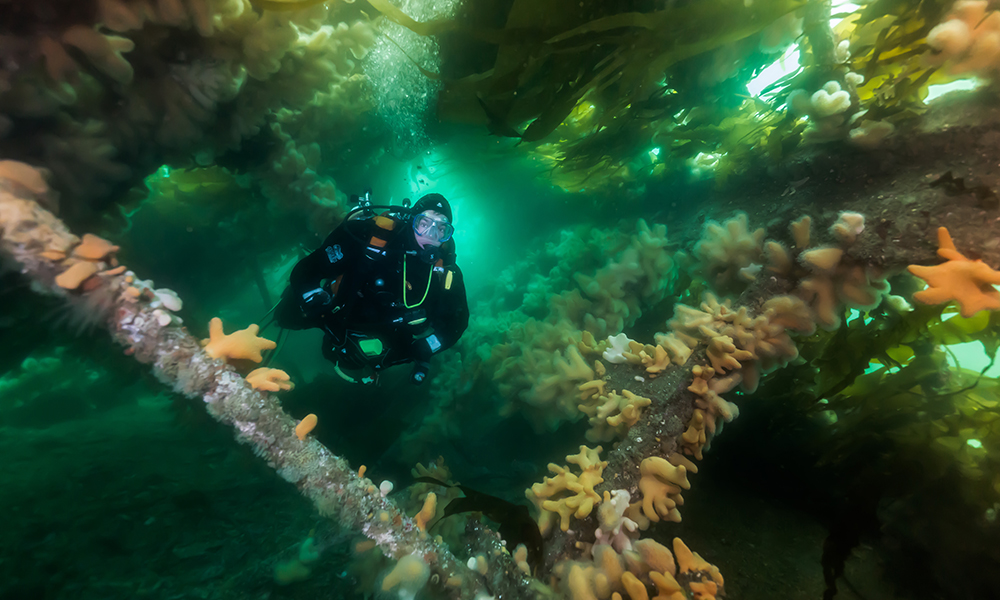
Variable, and better than its reputation. Typically 3 to 15 metres, occasionally much more. It's clearest from late summer into autumn, once the spring plankton bloom has passed — September is a favourite month for a lot of UK divers.
Freedom
UK diving is done in buddy pairs, with a plan you've made yourselves, rather than following a dive guide. That's a bit of a shift if you learned abroad, and it's the part most people end up enjoying most.
What you can see
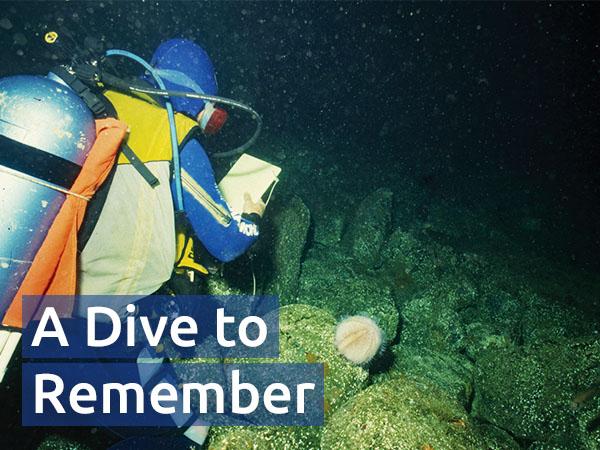
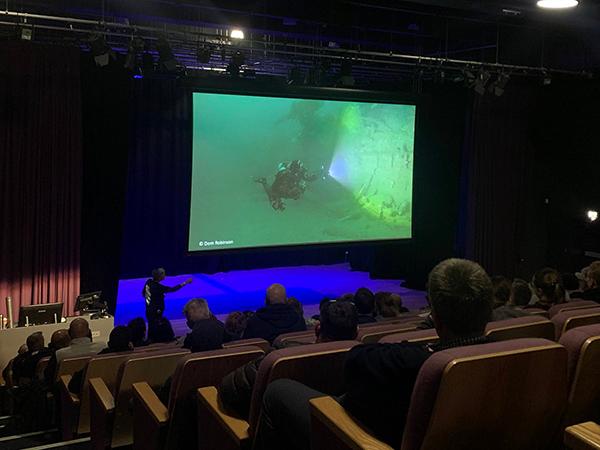
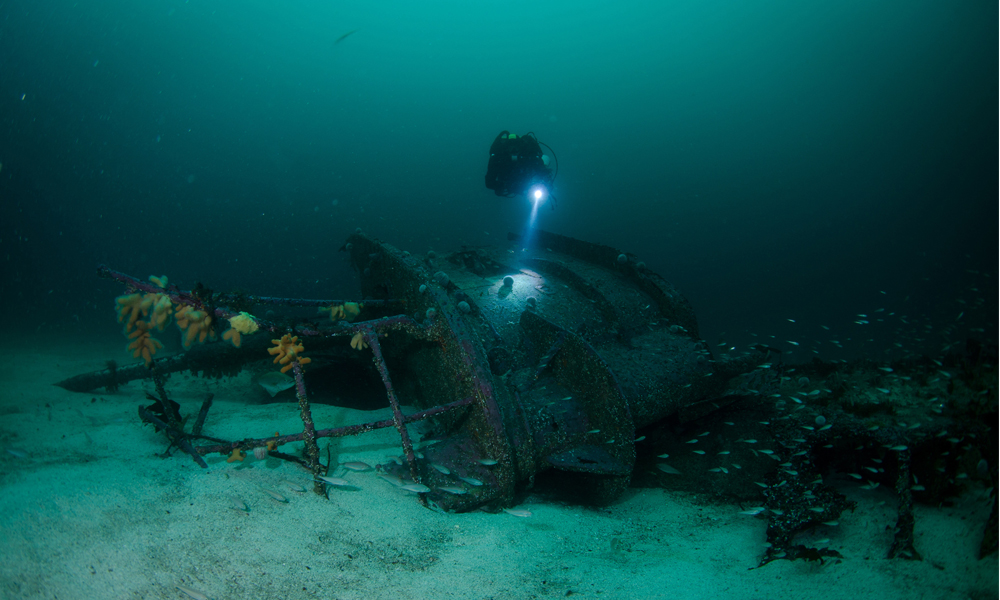
Wrecks, in extraordinary numbers. The UK has more shipwrecks per mile of coastline than almost anywhere in the world — Victorian steamers, wartime casualties, and thousands that are barely dived. Scapa Flow in Orkney, where a German fleet was scuttled in 1919, is a genuine world-class site. HMS Scylla off Plymouth was sunk deliberately in 2004 and is now a working reef.
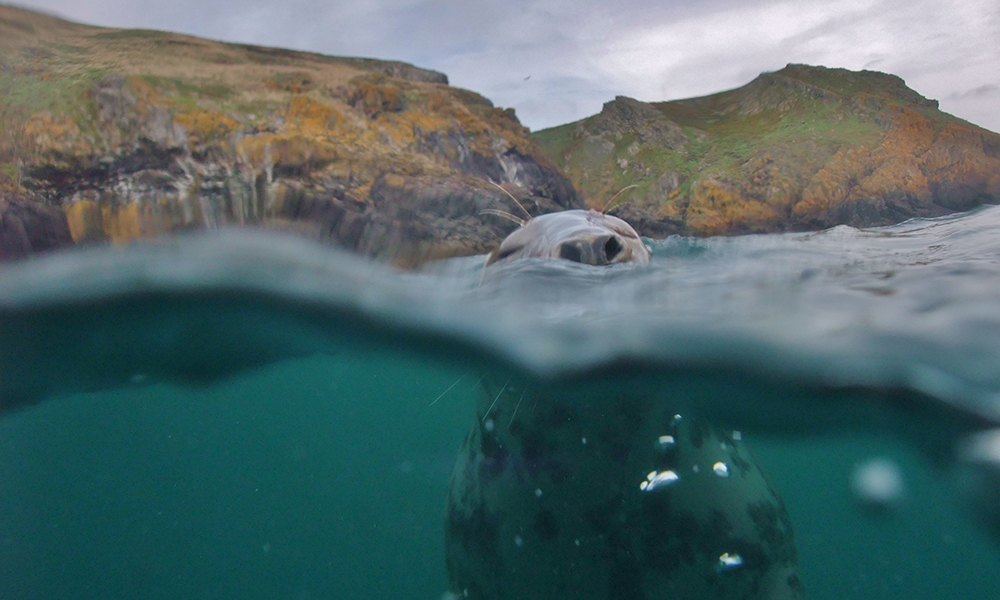
Marine life that comes to find you. Grey seals are the headline — inquisitive, playful, and entirely unbothered by divers. Basking sharks in summer. Cuttlefish, seahorses, jewel anemones, and kelp forests that look like somewhere else entirely.
Reefs, walls, drifts and gullies, plus inland sites for training, testing kit and winter diving.
And it's on your doorstep. Nowhere in Britain is more than about 70 miles from the sea, and there are 7,500 miles of coastline. No flights, no baggage allowance, no annual leave.
Getting started
If you've never dived
You don't need equipment or experience. Most clubs run Try Dives in a pool — you'll be in the water with an instructor within minutes, and it costs very little or nothing at all.
If you enjoy it, Ocean Diver is BSAC's beginner qualification. You'll learn in a club, at your own pace, with people you'll then go diving with.
Find a club and book a Try Dive
If you're already qualified
Your qualification counts — you don't need to retrain or convert anything. Join a club and dive within your existing qualification and experience. If you've only dived warm water, your club will sort out your drysuit skills and start you somewhere sheltered.
Why do it with a club
UK diving needs a boat, a compressor, someone who knows the site and someone to dive with. Clubs have all four, shared between the members rather than sold by the dive.
It's why UK diving works better, costs less and is safer as part of a club than on your own.
Find a club near you
Use our club finder to see what's close by. It's worth visiting more than one — clubs come in all shapes and sizes, and the right one is the one that suits you.
Need help? Call us on 0151 350 6203 (Mon-Fri, 09:00-17:00) or email for a chat!