
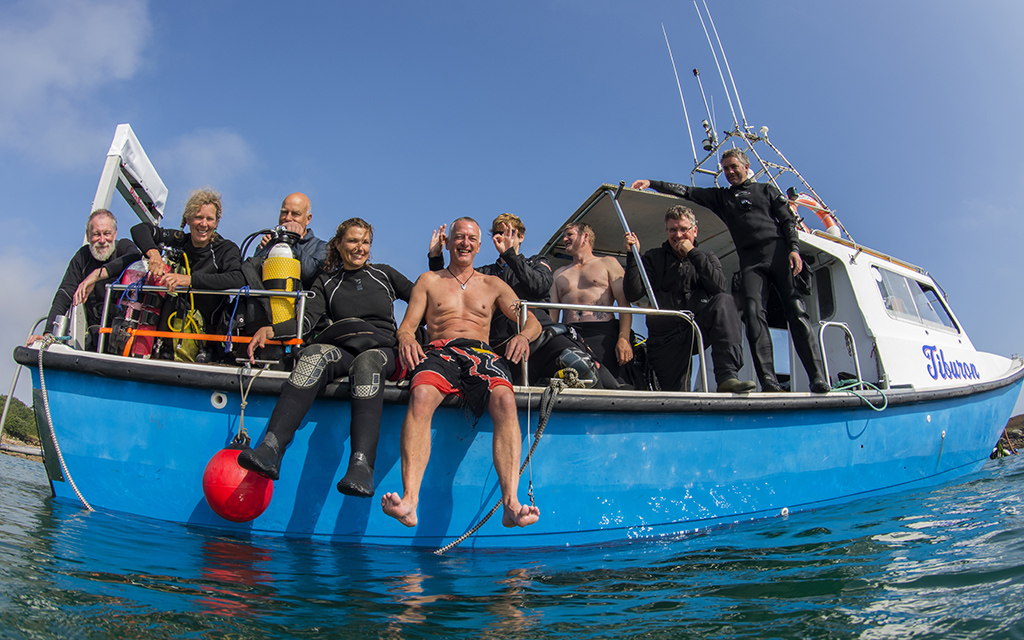
As we head into the 2026 diving and snorkelling season, there’s one piece of kit that deserves a permanent place in every dive bag: sun protection. It’s easy to focus on cylinders, fins and masks, but protecting your skin is just as essential for a safe and enjoyable day in and on the water.
Skin cancer is now the most common form of cancer in the UK, and for water users, the risks are often higher than we realise. Time spent on boats, beaches, and shorelines exposes us to prolonged UV radiation. Add in a cooling sea breeze, and it’s easy to miss the warning signs until it’s too late. For divers and snorkellers, this means building sun safety into every stage of the day, from kitting up on the boat to surface intervals between dives.
UV rays cannot be seen or felt, however when they reach 3 on the UV Index it’s time to protect skin. Water can reflect these harmful rays and increasing your risk of sunburn – especially on commonly missed areas like the ears, nose, scalp, and back of the neck. Even cloudy days aren’t risk-free, as up to 80% of UV rays can penetrate cloud cover.
Protecting yourself and the environment
Sunscreen is essential, but not all formulas are equal. Some commonly used chemical suncreams contain ingredients like oxybenzone and octinoxate, which some studies suggest harm marine ecosystems. As divers and marine conservationists, we have a responsibility to protect the environments we explore. Opt for mineral-based suncreams using zinc oxide or titanium dioxide (preferably non-nano) and always check the ingredient labels carefully. While terms like “reef-safe” are helpful, they’re not strictly regulated, so informed choices matter.
Top tips for sun-safe diving and snorkelling from Michelle Baker – CEO of the Melanoma Fund
- Protect before you kit up: Check the UV Index on your phone and if 3+ apply broad-spectrum sunscreen 15–30 minutes before exposure so it has time to settle properly on the skin before diving or getting wet. Visible sunscreen stations at clubs, launch points and dive centres can help make this part of the normal kitting-up routine.
- Reapply on all exposed skin during surface intervals: Long periods on boats, shorelines and between dives are where exposure often builds up. Reapply sunscreen after every dive as no sunscreen is waterproof. UV-reactive wristbands can work well as visual reminders to reapply protection throughout the day.
- Cover the commonly missed areas: Ears, scalp line, lips, back of the neck, tops of feet and backs of hands are some of the most frequently burned areas during dive days.
- Build UV protection into your kit: Rash vests, leggings, UV hoods, sunglasses and wide-brimmed hats should be treated as part of standard dive-day PPE preparation, not optional extras.
- Make sun safety part of dive culture: Buddy reminders, visible prompts and practical instructor training all help normalise sun protection in the same way divers routinely check air, kit and hydration.
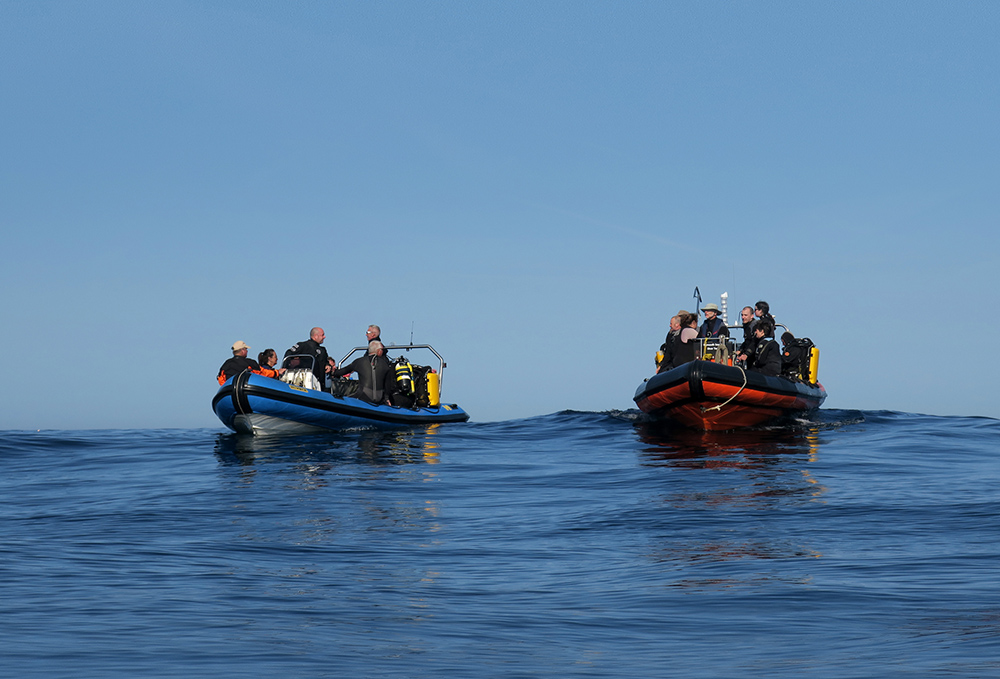
Building a culture of sun safety
Clubs and instructors play a vital role in normalising sun protection. Whether it’s reminding members to reapply suncream, encouraging protective clothing, or integrating sun safety into briefings, small actions can drive meaningful change.
BSAC CEO Mary Tetley reinforced this shared responsibility:
Over the years, we have become so much more aware of the impact of the sun and its reflection on the sea when we are all out diving, either in boats or shore diving. Using sunscreen should be part of our kitting-up process. Please remind each other so that we can protect our skin from the impact of the sun when we are out diving.
The Melanoma Fund offers practical tools to support this shift, including the free Sunguarding course for instructors, helping embed UV and heat risk management into everyday outdoor practice. Sunguarding also have outdoors resources tailored to activities like diving and snorkelling to raise awareness at club level. Use these resources to make sun safety part of everyday practice, making it second nature rather than an afterthought. Because the best dive days are the ones you can keep coming back to.
For more information, visit www.melanoma-fund.co.uk
 Author: Seren Catherall-Jones | Posted 22 May 2026


