
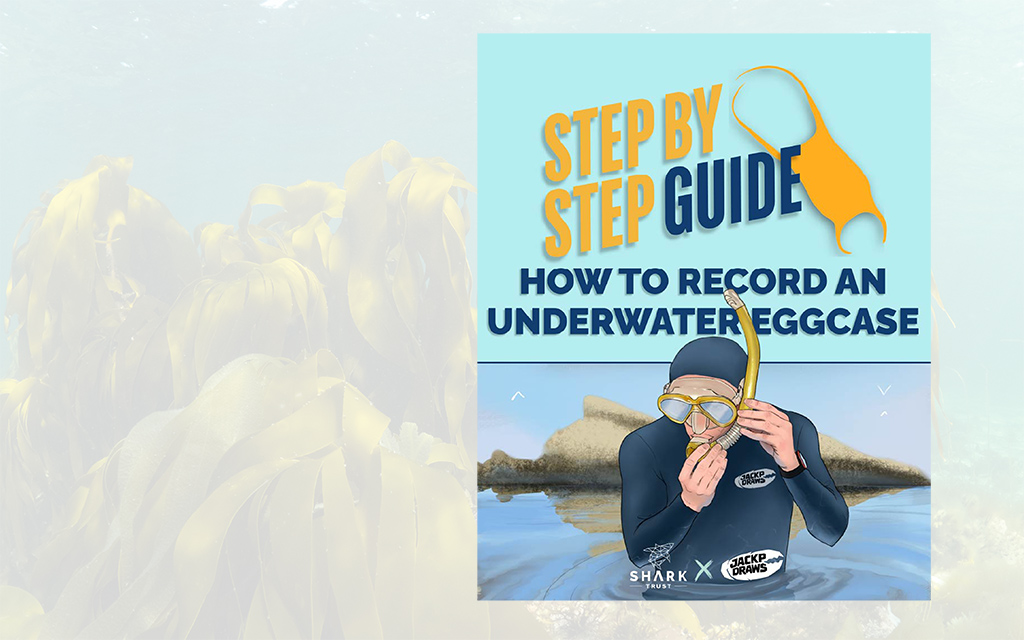
Picture credit: The Shark Trust
Looking to make your trips to the beach count this summer? Then take part in the Shark Trust’s Great Eggcase Hunt and help scientists unlock more secrets of the reproductive life of sharks.
BSAC marine partner the Shark Trust is calling for even more beachcombers, snorkellers and divers to incorporate the Great Eggcase Hunt into their summer 2026 plans.
 A natural fit for BSAC clubs and their beach clean activities, the Great Eggcase Hunt also works well with non-diving friends, family and younger children and is a fantastic summer project for BSAC Marine Champions to coordinate.
This long-running citizen science project gives beachgoers the chance to contribute to shark and skate conservation by searching for any eggcases that have been left behind once the baby sharks and skates have safely developed and hatched. All the information collected from these searches can then be logged with the Shark Trust either online or via the dedicated app, helping them to build up a more in-depth picture of the lives of these often vulnerable species.
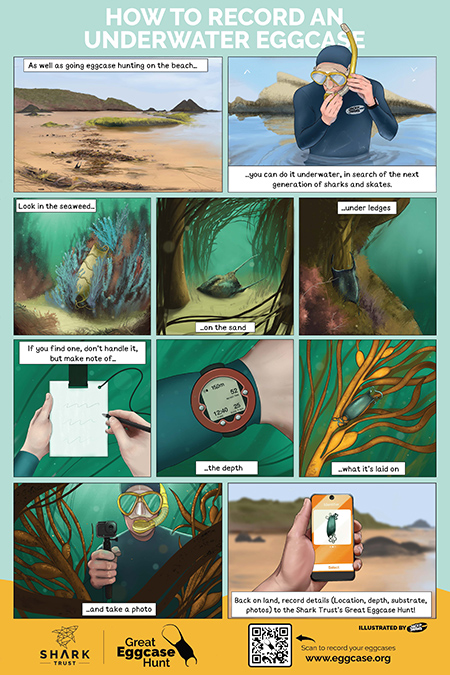
As well as being found washed up along the shoreline, eggcases, also known as mermaid purses, can be observed during scuba or snorkel dives. The Shark Trust is particularly interested in these live observations of eggcases developing underwater as it can help scientists identify and protect the habitats that are key to the lifecycle of our precious shark and skate species.
Over the past 23 years, the Trust has collected data from over 600,000 eggcase sightings, but fewer than 1% have been from underwater submissions, in which the shark or skate was still developing in its capsule.
To help BSAC clubs, their Marine Champions, divers and snorkellers to plan their Great Eggcase Hunt underwater searches, the Shark Trust has now released an infographic, which it hopes will inspire more divers and snorkellers to participate in the search.
Senior Conservation Officer Cat Gordon said these underwater observations are a ‘crucial piece to the puzzle’. The Trust is now hoping that summer 2026 will see more being reported.
Cat explained:
Eggcases observed developing underwater help us link the areas where empty eggcases regularly wash ashore with the habitats that are so important for this stage of the shark’s life cycle.
We’re asking divers and snorkellers to keep an eye out for eggcases seen attached to seaweed or seabed habitats. Recording these observations will help provide a valuable insight into the critical habitat used for the egg-laying process.
For more information on the Great Eggcase Hunt, or to download ID resources and start logging your findings, go to www.sharktrust.org/greateggcasehunt.
Citizen Science: How to submit your data
Whether it's seagrass, oysters or litter picking, make sure you record your findings by logging an activity.


