To mark the start of Invasive Species Week 2026 – 22 to 28 June – BSAC Underwater Heritage Officer and Marine Champion Alison Mayor updates on the non-native species her team have discovered as part of their Portunus Project.
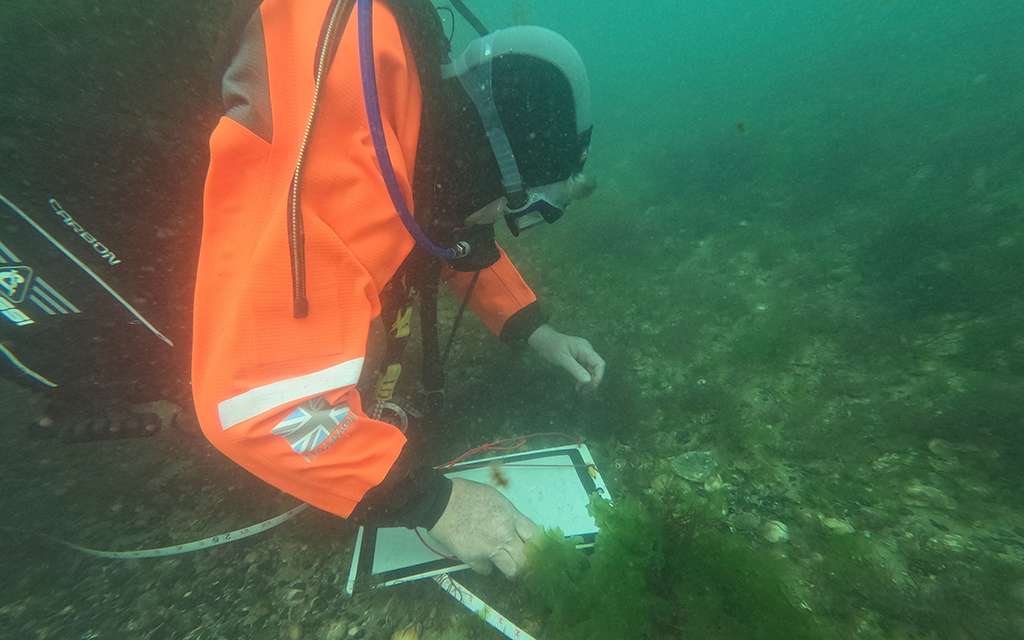
As a Marine Champion for her BSAC club, the Nautical Archaeology Sub-Aqua Club, Alison Mayor is currently working on their Portunus Project. Named after the Roman god of harbours, the project was launched in 2024 to explore and record the marine habitats in Langstone and Chichester Harbours. Due to pressures such as pollution and urbanisation these harbour sites have faced over the last 50 years, the marine habitats have been reducing. However, the Portunus team hope to record data to support research into the current status of the harbours’ underwater environment and inform management and regeneration plans. Ultimately, their work will help to protect the precious marine habitats which make harbour environments so unique.
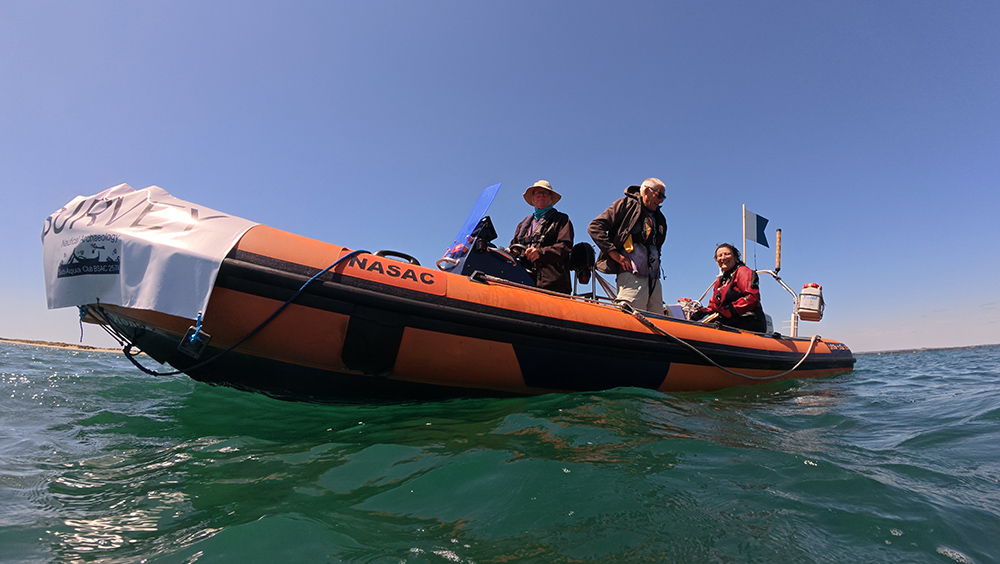
As part of their regular underwater surveys, Alison reports that they have also been seeing a surprising number of Non-native Species (NNS) within the harbours. She said:
Out of a total of 250 marine species observed around Chichester and Langstone Harbours by the Project Portunus team to-date, 18 have been recorded as NNS. These non-native species include seaweeds , sea squirts, bryozoan, molluscs, barnacles and even a Japanese sea spider.
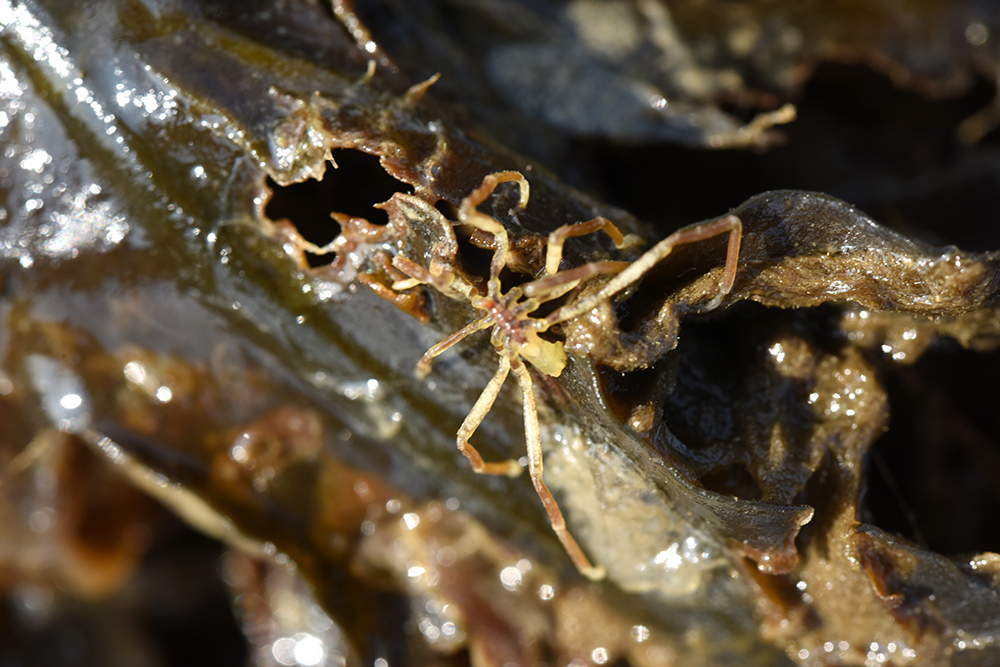
Hilgendorf's Sea Spider
Alison said that while it was a surprise to find so many NNS during their Portunus surveys, their presence in the harbours was not unexpected:
I suspect it is high for a number of reasons - principally due to the amount of shipping/boat traffic from overseas coming into Portsmouth and Southampton, but also due to climate change and warming sea temperatures.
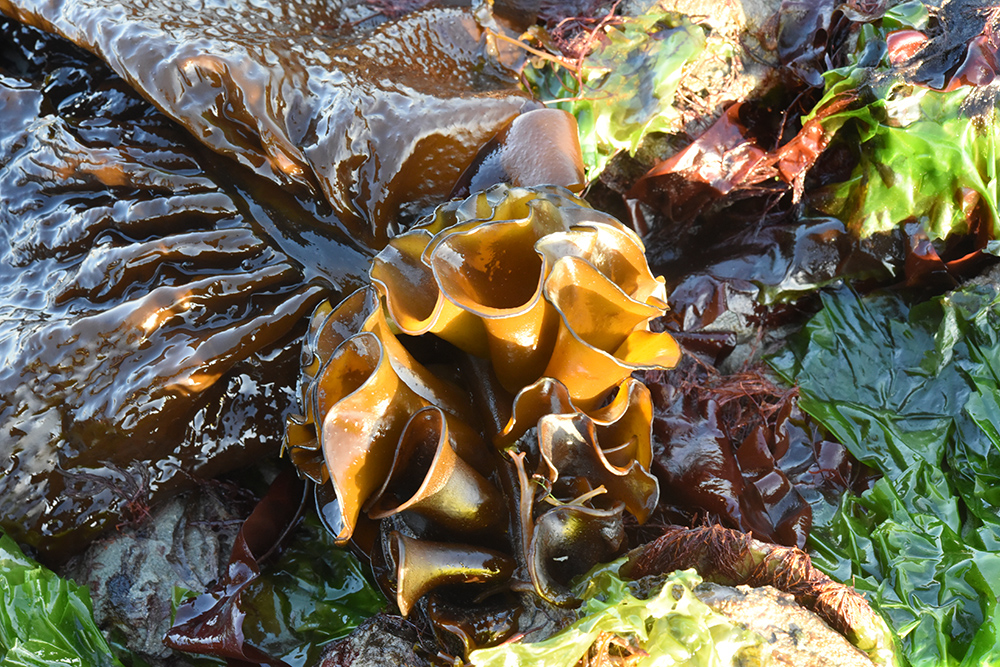
Wakame seaweed
While not all of these Non-native Species represent a threat to the natural habitats and native species, the observation of Pacific oyster reefs in the harbours, says Alison, is particularly important. Pacific oysters (Magallana gigas) were originally introduced into Britain in 1890s as a response to declining, commercially viable, native oyster (Ostrea edulis) stocks. Alison continued:
In recent years the spread of Pacific oysters appears to have increased dramatically, due to rising water temperatures. Areas of mud flats in the intertidal zone are now becoming Pacific oyster reefs with the potential to disrupt local coastal ecosystems, reduce grazing areas for birds and cause damage to boat hulls.
As part of Invasive Species Week 2026, Alison is now encouraging other BSAC clubs and members to organise diving or intertidal surveys or to just be ‘Non-native Species’ aware’ when diving. Also, to help reduce the risk of spreading species by adopting the ‘Check, Clean, Dry’ routine with boats and diving equipment.
The Portunus team share all their data with both Langstone and Chichester Harbour management teams as well as report their observations to the Marine Biological Association and Non-Native Species Secretariate. Alison also recommends reporting sightings of NNS via the iRecord and iNaturalist apps so that the data can be added to the National Biodiversity Network (Atlas) and can be used for research purposes.
It's very easy to think that all NNS are 'bad'. In fact many cause no problem at all and actually add to the overall diversity of species. It’s only when they become a risk to people’s health, the environment or economy that they become ‘Invasive’.
Alison said the team had also noticed that other native species have extend their normal distribution range as the impact of climate change and warming seas brings new species to our waters. For example, the current Octopus bloom, the beautiful Snakelocks anemone shrimp, or colourful 'Warty Doris' which have recently appeared to east of the Solent. These additions may not be a problem, but also useful to monitor as climate change indicators.
Alison added:
This is why it is important to have an awareness of Non-native Species so that their arrival and spread in UK waters can be monitored and understood. And, whilst it's extremely difficult to counter the spread of NNS in the marine environment, there are some practical measures we can all take to minimise their spread.
Follow Project Portunus on Facebook
 To celebrate Invasive Species Week, the Portunus Facebook page will be featuring an invasive species each day with a #BSACMarineChampions.
The species being featured are:
- 22/6 Pacific Oyster
- 23/6 Japanese Wireweed
- 24/6 Leathery and San Diego Sea Squirts
- 25/6 Slipper Limpet
- 26/6 Wakame
- 27/6 Red Ripple Bryozoan
- 28/6 Japanese Sea Spider
Invasive Species Week 2026
For more information and to get involved go to nonnativespecies.org/what-can-i-do/invasive-species-week