Strong clubs aren't built on one or two heroic volunteers. They're built on shared effort, a steady flow of new leaders and a culture where people feel valued.
Every BSAC club runs on goodwill. Committee members, instructors, boat handlers, kit officers, dive managers and social organisers all give their time so that other people can dive and snorkel. Volunteer instructors alone introduce more than 4,000 people to BSAC diving and snorkelling every year.
That goodwill is a club's greatest asset — and its most easily exhausted one. Volunteer resilience is about making sure the effort is shared, renewed and recognised, so clubs stay healthy long after any individual steps back.
Spotting the warning signs
Burnout in clubs can happen. It builds slowly, and it usually looks like this:
- one or two people doing a disproportionate share of the work
- the same names filling the same roles year after year
- a committee that struggles to fill positions at the AGM
- long-serving volunteers quietly disengaging rather than asking for help
The warning sign to watch for is a volunteer who has stopped enjoying their own diving. That's usually the point at which a resignation is already being drafted in someone's head.
Practical steps clubs can take
Make roles smaller
A "Social Secretary" role that covers everything is daunting. Three people each running two events a year is easy. Break big jobs into defined, time-limited tasks.
Ask specific people to do specific things
Open appeals for volunteers rarely work. A direct, personal ask — with a clear scope and end date — almost always does better.
Build in deputies
Every key role should have someone alongside it. It halves the pressure, provides cover for holidays and illness, and creates a natural successor.
Write it down
A simple one-page handover note for each role — what the job involves, key contacts, annual deadlines, logins — protects the club and makes the role far less intimidating for the next person.
Make stepping back acceptable
Volunteers should be able to take a season off without it feeling like letting the club down. Clubs that treat this as normal can keep people for decades. Clubs that don't lose them permanently.
Protect volunteers' own diving
Instructors and dive managers need dives where they're not responsible for anyone. Build these into the club programme deliberately.
Start with your newest members
Clubs often assume volunteering is something you earn your way into — that you need a few hundred dives and an instructor qualification before you can usefully contribute. It's one of the most damaging assumptions a club can make. It shrinks the volunteer pool to the people who are already busiest, and it leaves new members standing about feeling like guests rather than owners.
You don't have to be a qualified diver to make a difference in a club. Plenty of essential jobs need enthusiasm and reliability rather than experience:
- running the club's social media, website or newsletter
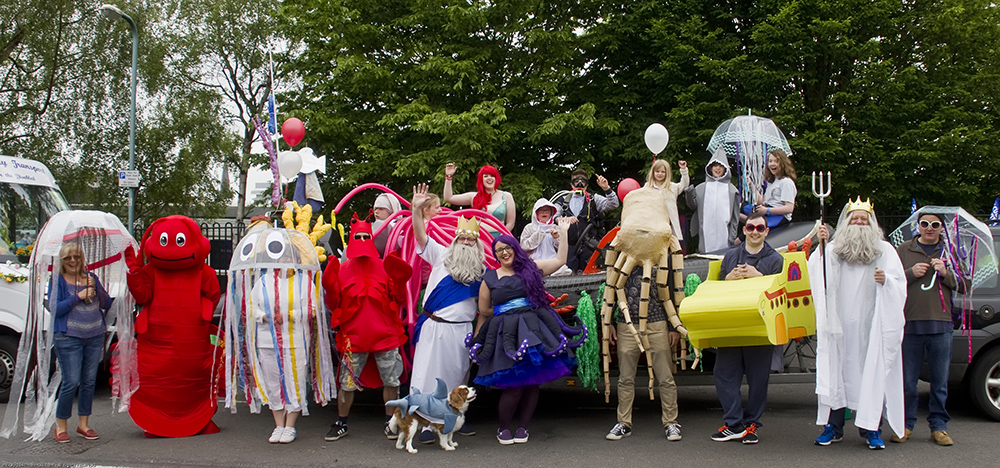
- organising socials, quiz nights, the Christmas do or the club BBQ
- welcoming newcomers and prospective members on Try Dive nights or visits
- photography and video at club events
- fundraising, grant applications and sponsorship
Ask early — within the first few months, not after a couple of years. A new member who is given a job becomes a member of the club rather than a customer of it, and the retention difference is significant. It also builds the habit of contributing, which is exactly what you want in a future committee.
One practical thought - when someone joins, have a quick conversation about what they do outside diving. Accountants, marketers, teachers, project managers, tradespeople and IT staff all bring skills a club could badly need and rarely asks for.
Developing tomorrow's instructors and leaders
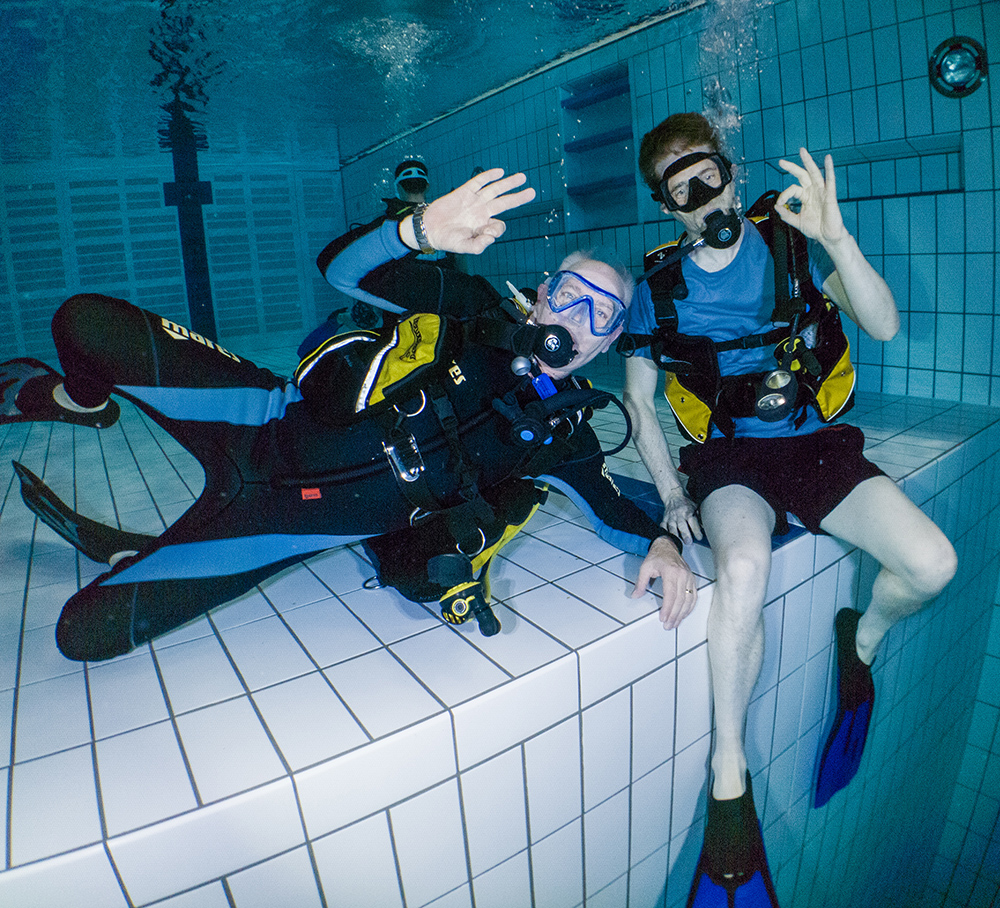
Every experienced member was once a nervous beginner. The clubs that stay strong are the ones that consistently move members along that path.
From Sports Diver, members can begin the route to becoming an instructor. The Instructor Foundation Course (IFC) is the entry point, qualifying members as Assistant Diving Instructors — a genuinely achievable first step for someone who isn't yet sure instructing is for them.
Some things that help:
- tell members you think they'd make a good instructor — most won't volunteer themselves
- fund or part-fund instructor training as an investment in the club's future
- give new instructors real teaching opportunities early, with support
- recognise that leadership isn't only about instructing — dive managers, expedition organisers and committee officers all need developing too
- welcome instructors who have crossed over from other agencies and get them integrated quickly (they’ll need to do the Instructor Crossover Course if they haven’t already completed it).
Succession planning for committees
Succession planning sounds corporate, but for a club it means one simple thing: nobody should be irreplaceable.
- Start early
Identify potential successors a year out, not a fortnight before the AGM!
- Shadow first
Bring the successor into the role before they hold it, so the handover is a formality rather than a scramble.
- Stagger changes
Try to avoid a whole committee turning over at once — continuity matters.
Celebrating and rewarding volunteers
Recognition is the cheapest retention tool a club has.
- thank people by name, publicly, at club nights and in the newsletter
- feature volunteers on club social media and in club communications
- say thank you at the time, not just once a year at the AGM
- share good news with BSAC HQ so it can reach a wider audience through SCUBA and the BSAC blog
Most volunteers aren't looking for prizes. They just want to know their effort mattered and that someone noticed.
Support from BSAC
BSAC has resources to help clubs develop and look after their volunteers, from instructor support to club support guidance and governance advice for committees. Regional Coaches and the BSAC HQ team are also there to talk through challenges — including how to rebuild a committee that's running thin.
Thank you
Volunteering in a BSAC club changes people's lives — the members who learn to dive, and the volunteers themselves. Looking after your volunteers, developing the next generation and making sure no one carries too much alone is how clubs stay strong for the next fifty years.