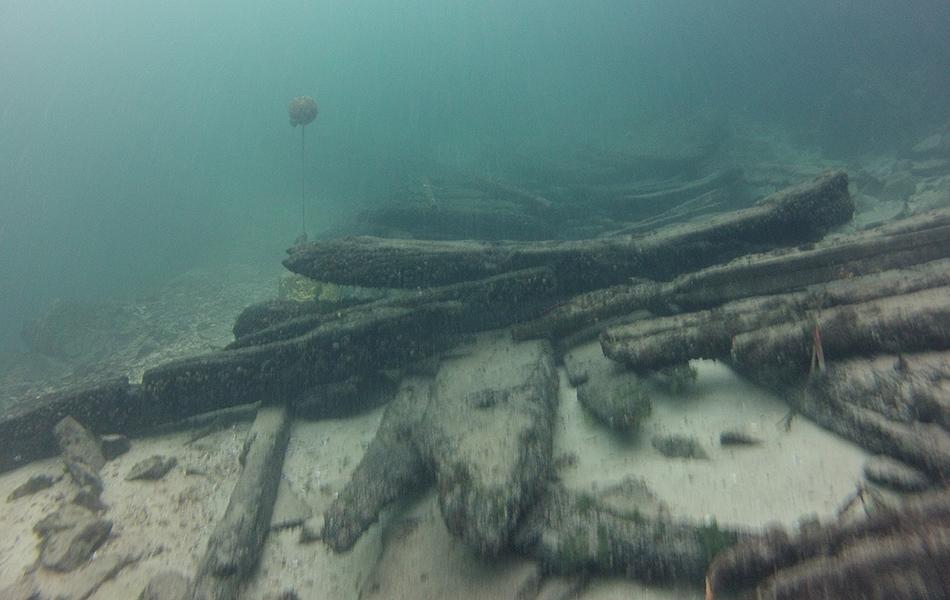
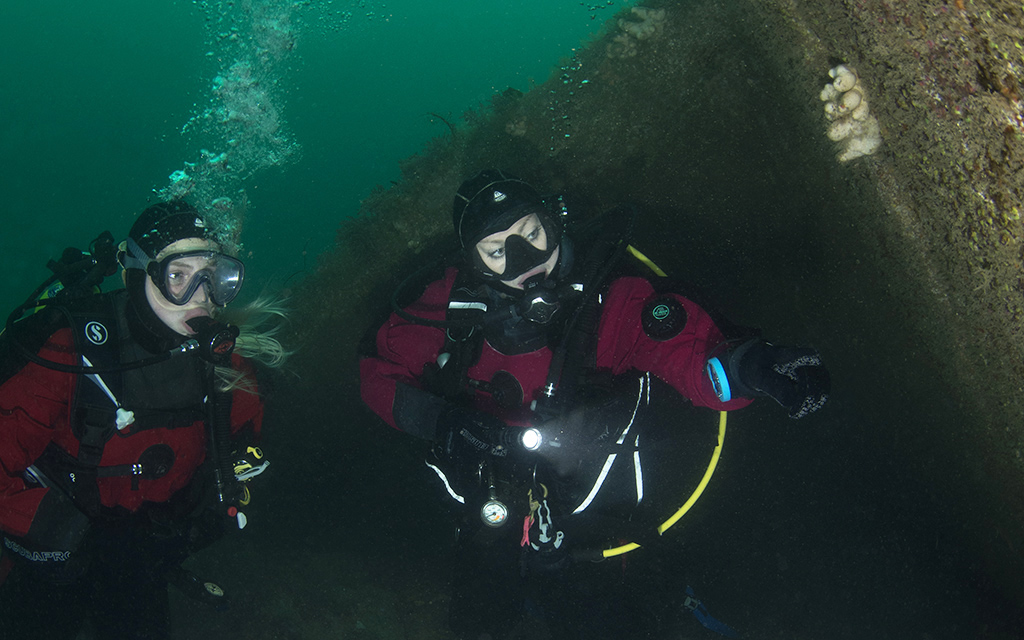
Back in March, we shared an initial clarification on the proposed updates to the Protection of Military Remains Act (PMRA) 1986, which are progressing through Parliament as part of the new Armed Forces Bill. At the time, we promised two things: that we would keep listening to members, and that we would keep working with the Navy Command to reassure divers of the legislation’s intent to protect not ban diving on military wrecks.
Since that first update, many of you got in touch through clubs, through instructors, and directly via wreckaccess@bsac.com. We collated that feedback and have worked with the Royal Navy Heritage team to seek clarification and outline practical guidance to divers. The result is a detailed Questions and Answers document, produced in consultation with BSAC, which is intended to sit alongside the legislation as an Approved Code of Practice (ACoP) — in effect, the practical rulebook that explains how the Act should be applied to real diving. if passed, the legislation will come into force in February 2027.
What the Q&A means for divers
Several of the areas members raised concerns about have been directly addressed. The key points of reassurance are:
Intent to prosecute. The Q&A is explicit that the changes are not aimed at responsible, respectful divers. A diver who visits a wreck in good faith — without disturbing or removing anything, and who has made reasonable efforts to check the wreck's status — is not the target of the legislation. Enforcement is directed at those who salvage from or interfere with protected Military wrecks.
Diving on and in an MOD protected wreck. A Protected Place remains a 'look but don't touch' site, and diving on it is entirely permitted. The Q&A clarifies what "entering the interior" actually means in practice: swim-throughs (where you can always see the outside) and open cargo holds are fine. It's entering fully enclosed compartments, or laying lines to penetrate the vessel, that constitutes a contravention. Crucially, it also confirms that accidental contact in the interests of safety — gently touching to regain buoyancy, an inadvertent fin kick, or settling on a wreck to deal with an emergency — is not an offence.
Shot lines. The Royal Navy recognises that shotting a wreck is a well-established and essential safety procedure. There is no intention to prosecute divers or boat skippers who shot a wreck in the interests of safety. Divers are simply asked to take care — avoiding excessive weights, not repeatedly shotting the same spot, and biasing the shot to the seabed side of the wreck where possible.
Support from the MOD. Where a diver has done reasonable research and is still genuinely unsure whether a wreck falls under the Act, they can contact the Royal Navy Heritage team (either because the wreck cannot easily be identified, or it is unclear if it was in military service). The Q&A now sets out a clear service level: the MOD aims to acknowledge enquiries within three working days and provide a substantive response within fifteen working days. Coordinates of wrecks designated as Controlled Sites will continue to be published and updated, giving divers a reliable reference point. Divers wishing to visit Controlled Sites must obtain a License from the MOD in order to dive the wreck.
Taken together, these points reinforce the message at the heart of all of this: a respectful, look-but-don't-touch approach to military wrecks is welcomed. Visiting these protected sites responsibly is exactly what helps ensure they are remembered and cared for.
Keep the feedback coming
The Q&A is a living document. It will be updated if the proposed amendments change as the Bill continues through Parliament, and finalised once the Armed Forces Bill receives Royal Assent. That means your input still matters — there are practical scenarios we want to keep testing with the Navy Command, and real-world questions from members are the best way to make sure the guidance works on the water as well as on paper.
If you have thoughts, questions, or diving scenarios you'd like us to raise, please continue to get in touch at wreckaccess@bsac.com.
BSAC will keep working alongside Navy Command in the spirit that has shaped this from the start: protecting military remains for future generations, while making sure the guidance is workable and safe for the divers who visit and value them. For more on diving wrecks responsibly, see the BSAC Respect our Wrecks Policy.