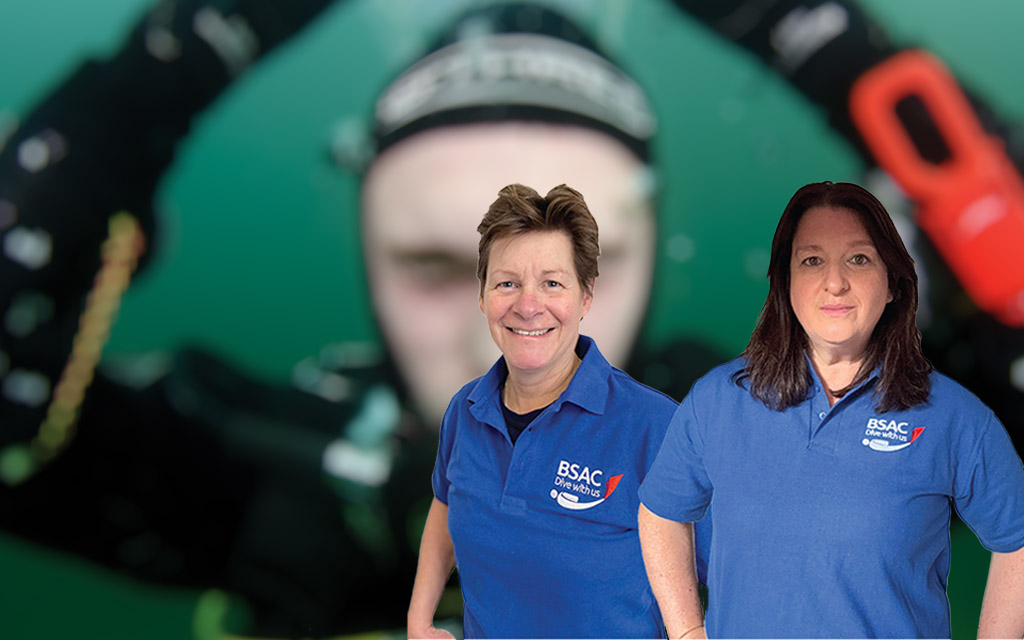
National Diving Officer Sophie Rennie and Head of Diving Sophie Heptonstall explain how BSAC courses are continually refined.
THE QUESTION:
Can you tell us a little about the updating of BSAC courses and grades? Why do we need to update the courses, how do you decide which ones to focus on, and what’s in the pipeline at the moment?
Sophie Rennie answers
That’s a very interesting question, for which I have an answer in three parts.
- Why do we need to update the courses? Well, things change and BSAC being the National Governing Body means we must ensure we stay up-to-date with everything. Take, for example, First Aid and CPR, which requires more changes than any other course.
- How do we decide which courses to focus on? We have a five-year strategy and the development and update of all our courses is added into the strategy so that we know what’s next in the pipeline. We also listen to the membership and any offers to help from our wonderful volunteers. Sometimes this may expedite any changes or re-writes.
- What’s in the pipeline? Well, I am excited to tell you that we are focusing heavily on the Advanced Diver qualification. It hasn’t had a re-write for many years, and all the other diving levels have - so this is AD’s turn! We’ve also just moved the lectures and presentations for the Instructor Foundation Course online, thus enabling the face-to-face practical part of the course to be done in one day. This stands to reduce accommodation costs big time!
Sophie Heptonstall expands
One of the great things about diving is that it’s a sport where technology and research has really seen the overall industry evolve from kit to training. Just like the underwater world we explore, the world of diving is always moving, and we want our training to keep pace with the latest safety information and also embrace any technical developments that can enhance our members diving experiences.
There are some significant reasons we update courses:
-
Safety first
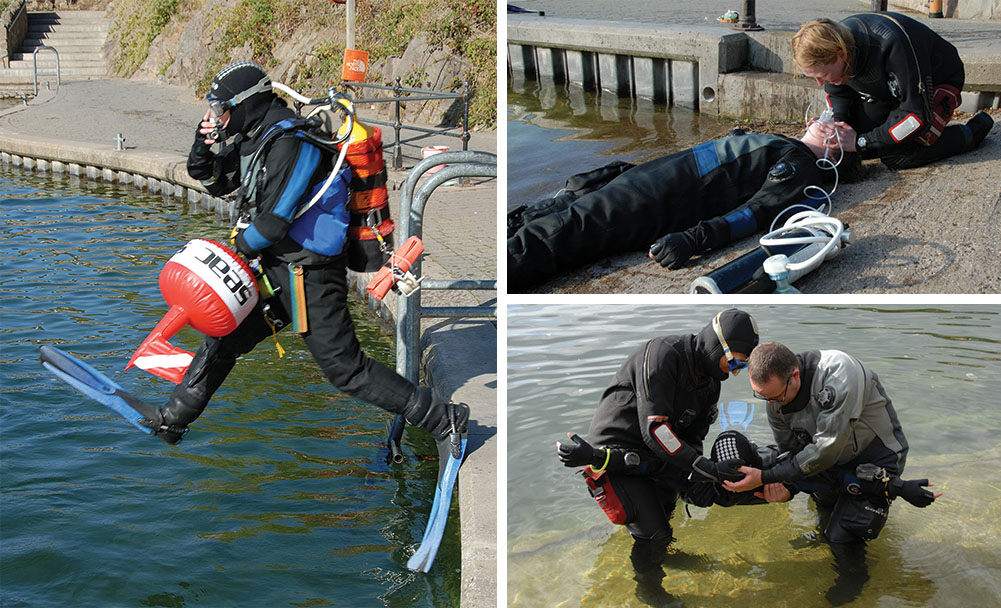
We’re constantly learning from incident reports, medical research, and safety studies. If there’s a safer or better way to do something, we’ll make sure it’s built into our training. A good example of this is the identification of Immersion Pulmonary Oedema from incident reporting and the subsequent inclusion of this information into BSAC Training so that divers could recognise and provide relevant First Aid.
It’s clear from recent incident reports that this information has increased recognition, and that recognition and subsequent first aid measures have likely had a positive impact. The other fairly recent example is the introduction of the gas density tables following a series of papers and research by experts in the field resulting in the production of a set of tables. This led to the recommendation that the density of the breathing gas should not be greater than 6.3 g·l−1; the ideal density is less than 5.2 g.l-1.
-
Evolving diving kit and techniques
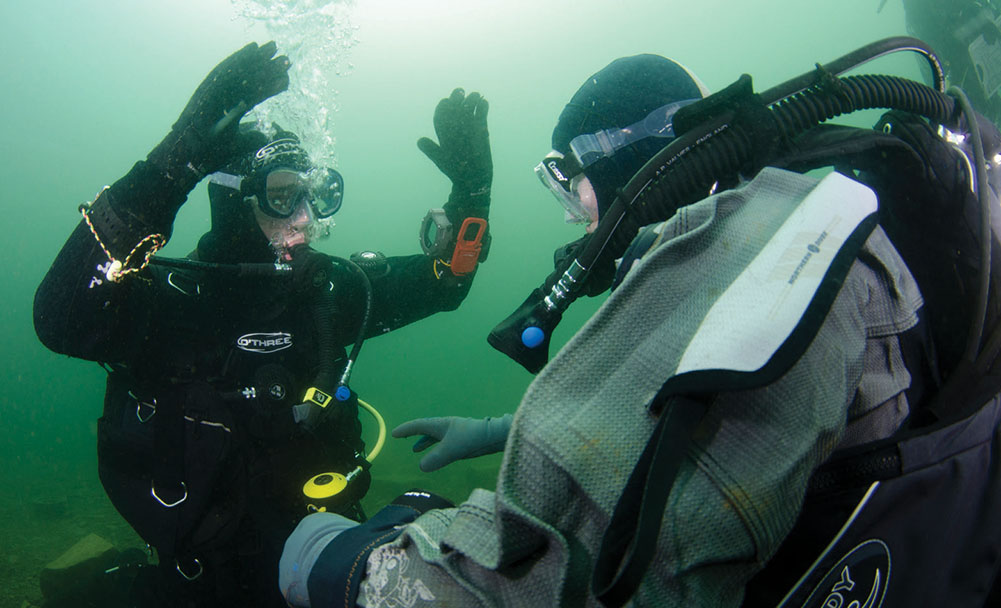
BSACs core diver training levels have sought to include changes in each review. Ocean Diver in 2017 included Nitrox – allowing an additional safety margin for divers and gases that fit the 20m qualification. The 2023 Dive Leader Course includes more instruction and practice of core leading and management skills.
From sidemount to the latest regulator designs, the tools and methods we use evolve. Our Skill Development Courses adapt so you can make the most of them. Advanced Nitrox was replaced by Accelerated Decompression Procedures as BSAC looked to develop the course further to incorporate the use of different gas mixes and teach the relevant practical skills.
-
Technology
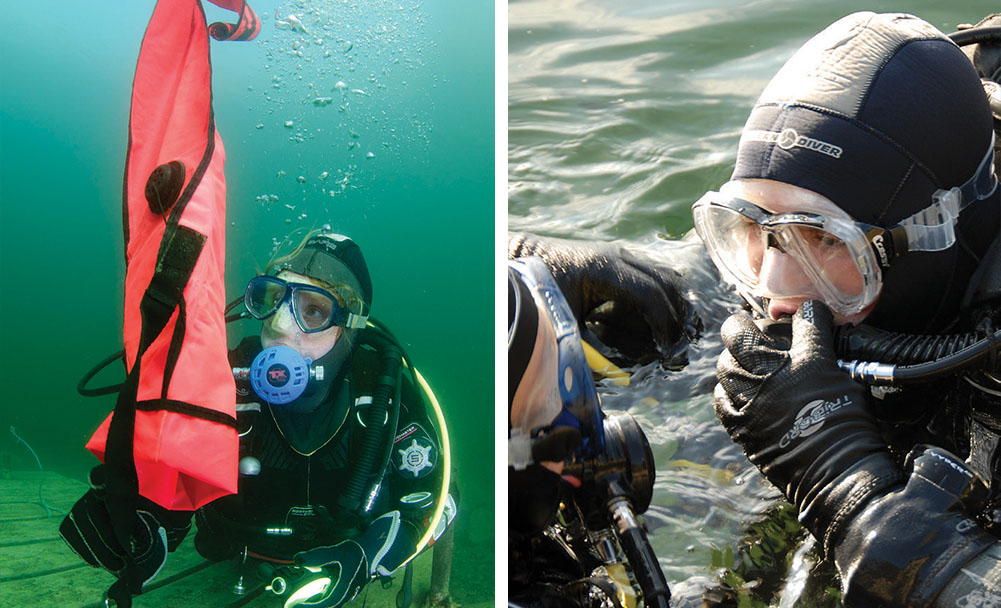
How we deliver training has changed significantly. Covid gave us an opportunity to develop more online learning materials. Since then, BSAC has moved to a new eLearning platform to improve online course delivery and be more inclusive to neurodiversity. You can still complete theory face-to-face, but there are now a wider range of courses available with online learning as an option.
eLearning allows students to complete the theory lessons in their own time and revisit areas they need to recap on. The eLearning option uses text, images and videos to present the theory topics online and accommodate those with commitments that may prevent them from attending a weekday in person theory lesson. The Instructor Training Scheme has piloted hybrid courses, which will go onto eLearning in the coming months. The other benefit for volunteer club instructors and students is that travel costs are reduced.
We don’t just change things for the sake of it. Every review fits into an overall training strategy that helps us decide which grades or courses to look at first. And just as importantly, we listen to you. Member feedback – whether from surveys, branch chats, or a quick email – is a huge part of deciding what to prioritise within the capacity we have.
The National Diving Committee, led by the National Diving Officer, keeps our courses under a cyclic review system, so nothing gets left behind for too long. If something urgent comes up – say, a big safety update – we can bring it forward.
-
So, what’s bubbling away right now?
We’ve got work going on to refresh some of our core diver grades, making them even more engaging, flexible, and relevant for today’s diving – as Sophie mentions, Advanced Diver is in review. We’re also looking at some specialist courses to reflect new interests and trends in the diving community – Deeper Diving, Sidemount and revised ADP are currently at various stages of production having had to be paused whilst all the live courses were redeveloped in the new eLearning platform.
At the end of the day, our aim is simple: keep BSAC training safe, up-todate, and interesting – so you’re ready for whatever underwater adventures lie ahead.
Do you have a question about dive training, kit or safety for the Two Sophies to answer?
Email SCUBA Editor Simon Rogerson: simon@scubamagazine.co.uk
This Two Sophies article was originally published in SCUBA magazine, Issue 159, October 2025. For more membership benefits, visit bsac.com/benefits.
Images in this online version may have been substituted from the original images in SCUBA magazine due to usage rights.