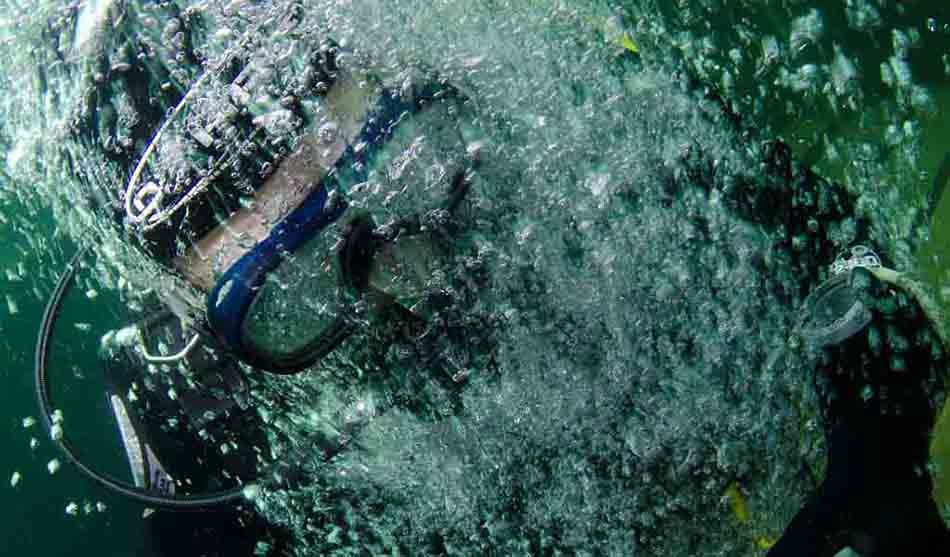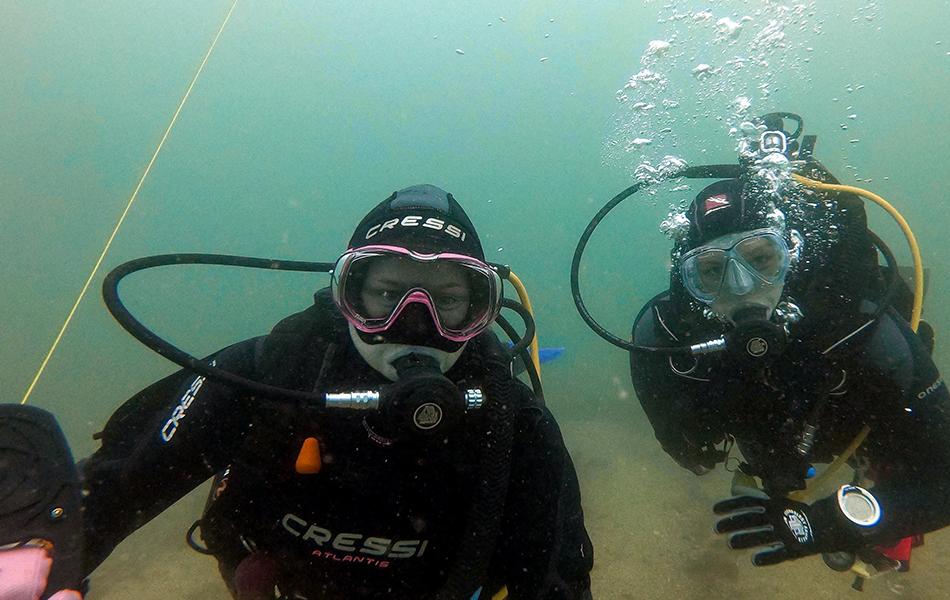
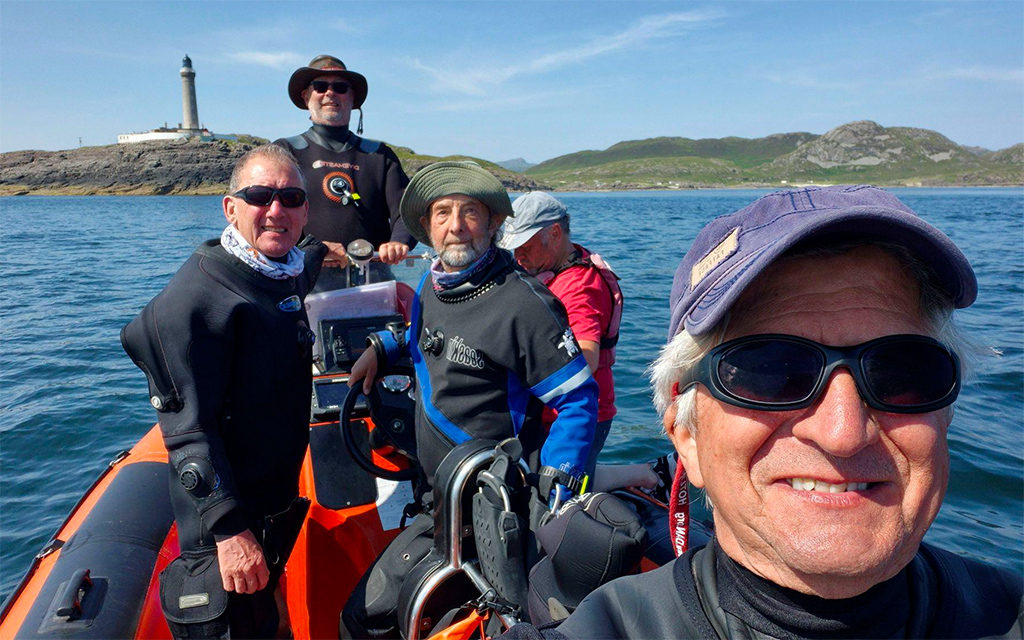
Now in its third year, the Southport BSAC's expedition to Loch Sunart has become a firm favourite and offers the opportunity to experience one of Scotland’s most beautiful and unspoilt areas. Stephen Dorricott, club member and North West Regional Coach tells us more.
The main objective of the trip was to provide BSAC Dive Leaders with the opportunity to plan and lead expedition diving as part of their Advanced Diver training and AP2 development.
Loch Sunart is a spectacular 20-mile sea loch stretching eastwards from the Sound of Mull and separating the Ardnamurchan and Morvern peninsulas. Dotted with small, largely uninhabited islands, the loch is sheltered from much of the Atlantic weather and provides access to a huge variety of diving.
Our base – Laga Lodge
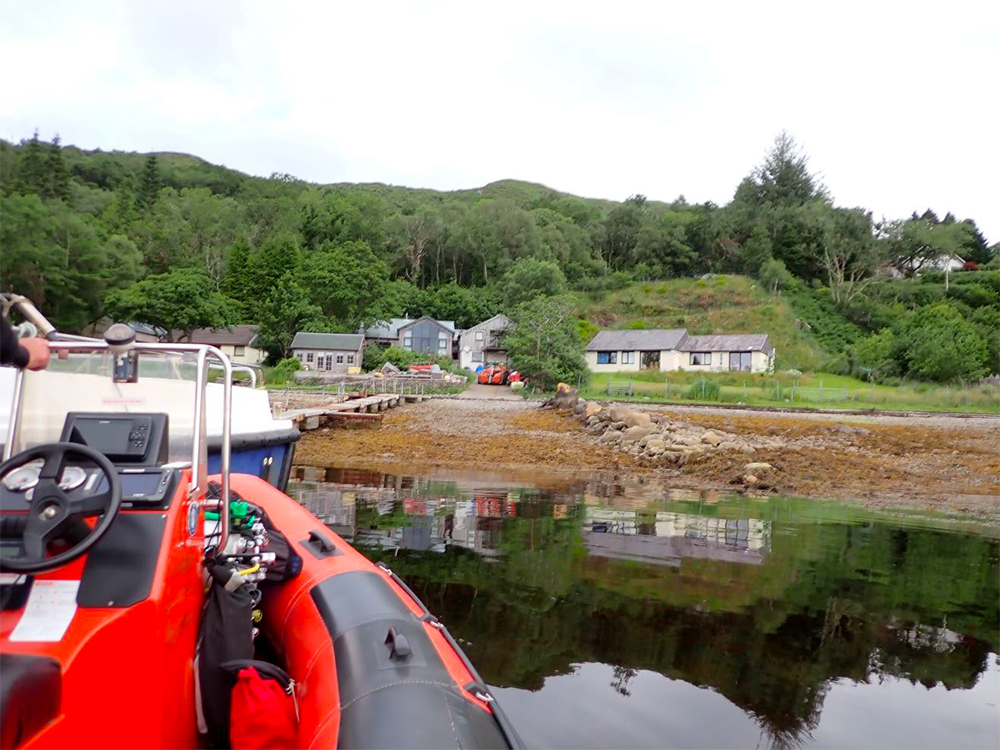
Our base for the week was Laga Lodge, which sits right on the shore of Loch Sunart and provides an excellent base for a diving expedition. With its own pontoon and mooring facilities, drying room and compressor, everything we needed was right on our doorstep.
The lodge comfortably accommodated the group and, with a large kitchen and lounge overlooking the loch, provided the perfect place to relax after a long day on the water.
The team
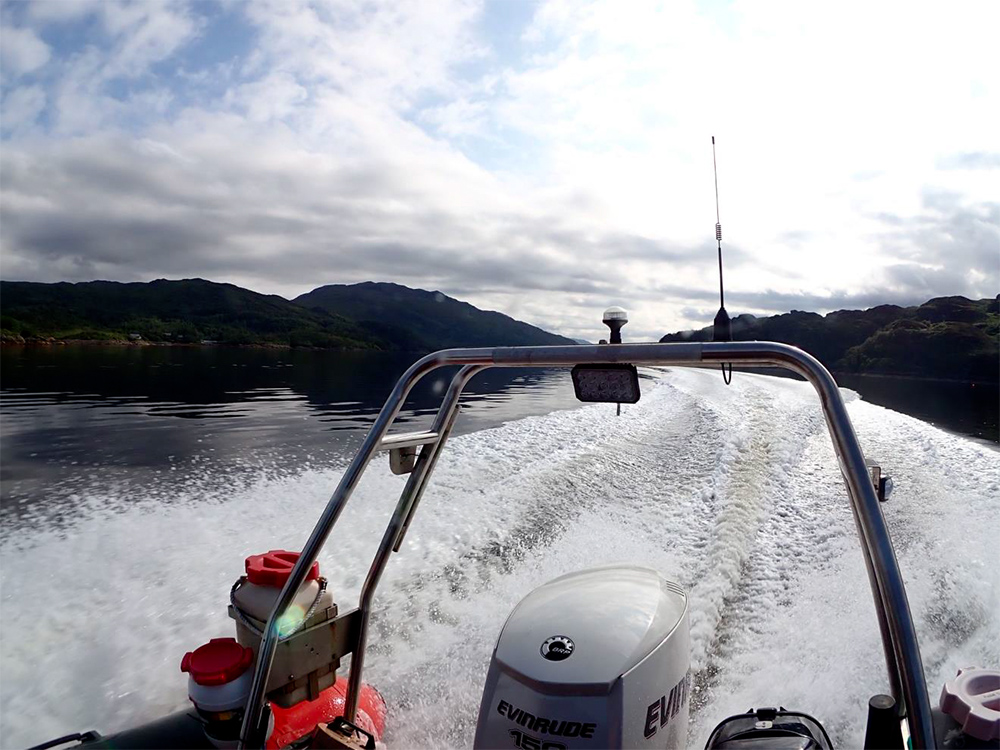
We took the Southport BSAC RIB for seven nights, giving us five to six days of potential diving. Six divers from different clubs joined the expedition: Stephen Dorricott – Organiser and Advanced Instructor; Steve Bellion – Advanced Diver; Jon Partington – Advanced Diver; Chris Hastie – Dive Leader; James Jones – Dive Leader; and Lee Ingram – Dive Leader.
Having divers with a range of experience and skills proved to be one of the strengths of the expedition. Throughout the week, everyone had something to contribute and everyone had the opportunity to learn from each other.
Training and development
Three divers – Lee Ingram, Chris Hastie and James Jones – were undertaking expedition planning exercises. Each was responsible for planning two days of diving to sites they had never previously visited. None had dived this part of Scotland before, so this was a genuine expedition-planning challenge.
Their plans had to be researched and submitted in advance, with dive sites agreed between the group to avoid unnecessary duplication. With literally hundreds of potential dive sites in the area, there was certainly no shortage of choice.
Each diver prepared not only their preferred dive sites but also backup options for poor weather and additional “A+” sites that could be used if conditions were exceptionally good. As it turned out, the weather was superb – hot, sunny and with very little wind – allowing us to reach sites that are not always accessible.
Steve Bellion and Jon Partington were also working towards their Diver Coxswain assessments. With the RIB in use throughout the week, there were plenty of opportunities to develop and demonstrate their boat-handling skills.
By the end of the week, everything we had hoped to achieve – and more – had been completed.
Perfect conditions gave plenty of opportunities for expedition planning and boat-handling experience.
The diving
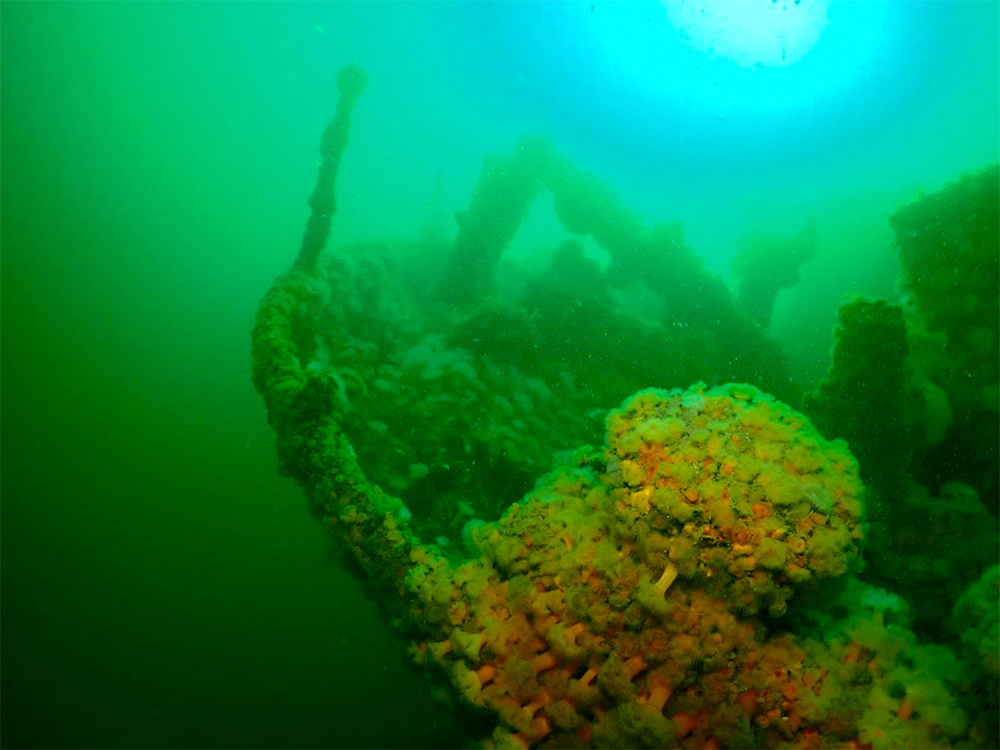
The plan was generally to complete two dives each day, with the schedule carefully arranged around tides and slack water, particularly when diving the wrecks of the Sound of Mull.
One of the highlights was the Hispania, regarded as one of the UK's classic wreck dives. Lying in around 30 metres, timing is critical because of the strong tidal currents through the Sound of Mull. We arrived early and successfully put four divers into the water with hardly any current. Meanwhile, two other boats nearby – including a charter boat – decided they had missed slack water and abandoned their attempts. Careful planning had paid off!
Another memorable site was Calve Island, where the underwater scenery is spectacular. In places, the seabed drops dramatically from around 5 metres to depths approaching 50 metres, almost directly from the shoreline.
Exceptional weather also gave us the opportunity to head further afield. One of the standout expedition dives was Bo Fascadale, involving a round trip of approximately 42 miles. The site is an offshore underwater pinnacle rising from around 60 metres to within approximately 3 metres of the surface.
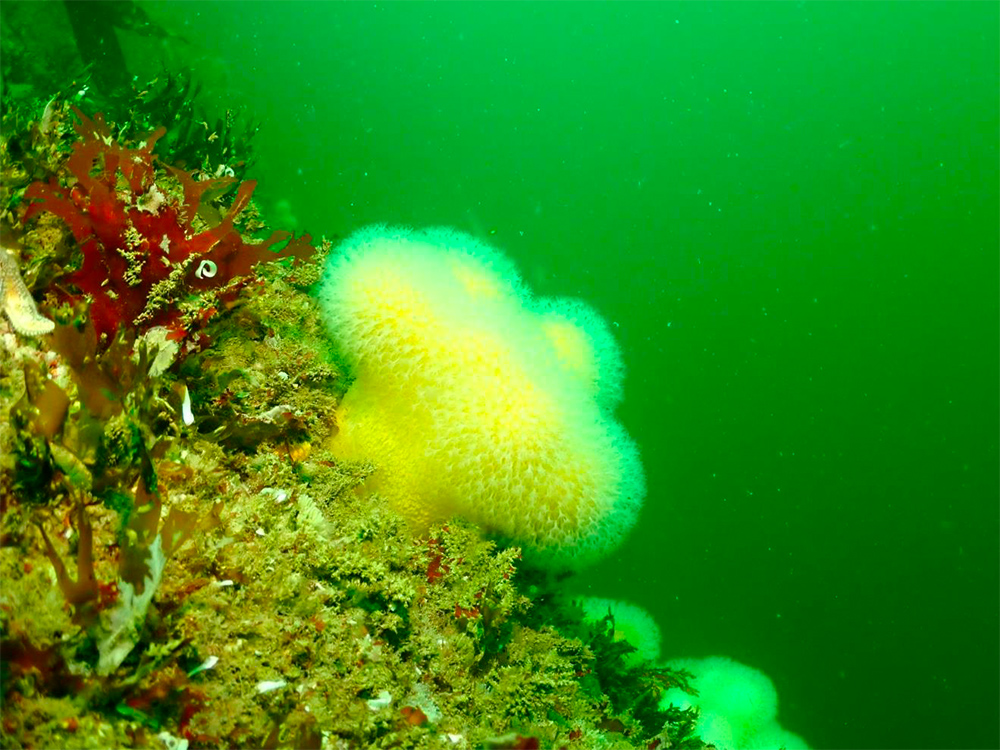
The currents can be fierce, making accurate planning essential. The timing was judged to perfection and we arrived at the site for slack water, giving the team the opportunity to dive a spectacular location that would not always be accessible from a small RIB.
The three students' preparation really demonstrated the importance of proper expedition planning. Having poor-weather alternatives and exceptional-weather options meant we could adapt the programme and make the most of the superb conditions.
More than just the diving
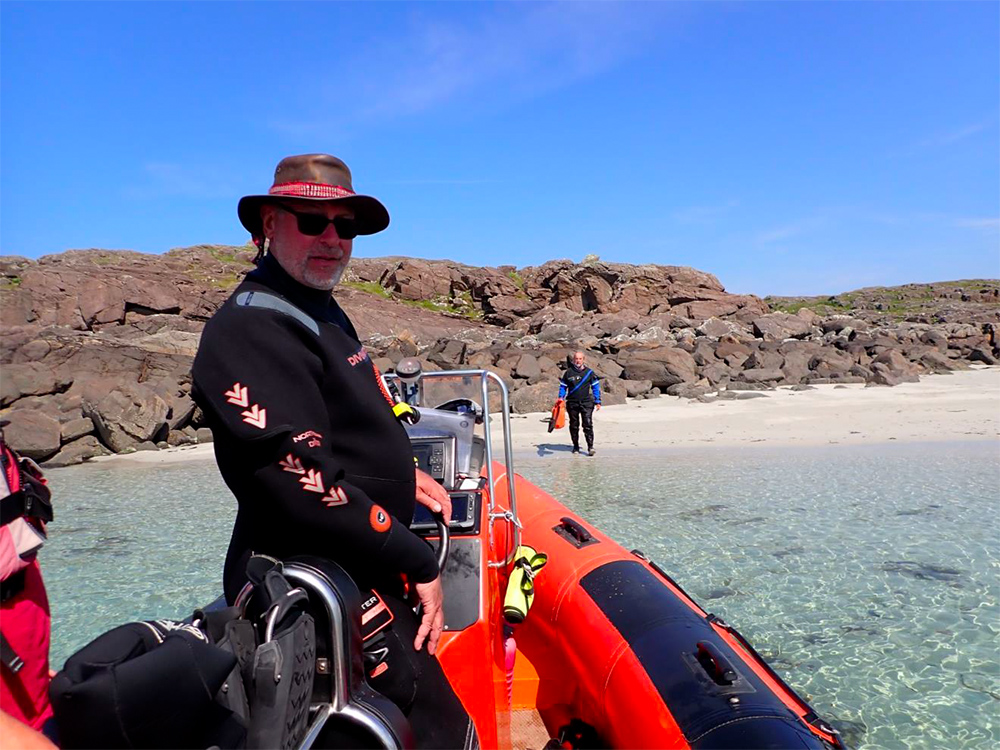
The northwest coast of Scotland offers incredible scenery both above and below the water. During the week we visited secluded coves and sandy beaches for lunch and downtime between dives. Travelling by RIB gave us the freedom to explore places that would otherwise be difficult to reach.
The area is also a haven for wildlife. During the expedition we saw seals, dolphins, porpoises and sea eagles. Otters remained elusive – so there is at least one good reason to return next year!
Underwater, the tidal flows create an explosion of marine life. Walls, pinnacles and wrecks are covered in colour, with almost every available surface occupied. On some of the wrecks, it can be difficult to tell where the wreck ends and the marine life begins.
Another traditional highlight is a visit to Tobermory Harbour. We moored the RIB for a few hours, giving everyone the chance to have lunch, change cylinders, dry out the occasional wet undersuit and, of course, find coffee and cake.
Expedition life
Being six miles from the nearest shop meant we were completely self-sufficient, and everyone played their part. Evening meals were organised on a rota, with one person cooking while others filled cylinders, prepared equipment and got the boat ready for the following day.
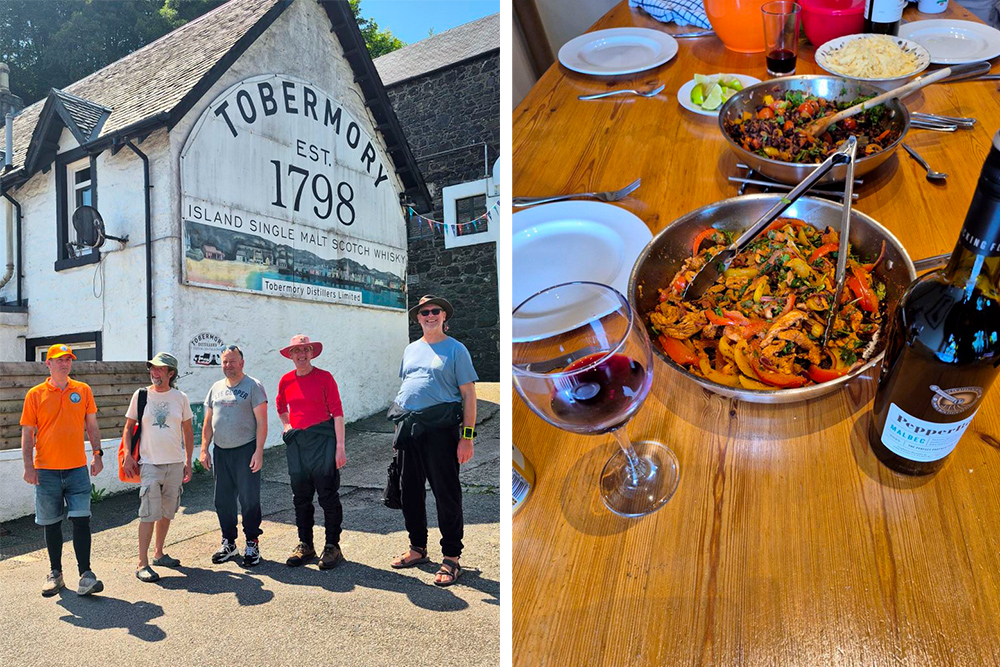
The meals became one of the highlights of each day. After hours on the water and two dives, sitting down together for a good meal was an important part of expedition life. The teamwork throughout the week was excellent. Jobs were shared both at the dive sites and back at the lodge, and everyone contributed to making the expedition run smoothly.
What BSAC expedition diving is all about
Trips like Loch Sunart demonstrate what BSAC expedition diving can offer.
Operating our own RIB gives us the freedom to reach dive sites that larger hard boats either cannot or may choose not to access. More importantly, it gives divers the opportunity to take responsibility for the whole expedition – researching sites, planning tides and weather, navigating, handling the boat, organising diving and adapting plans as conditions change.
The learning doesn't stop when the diving finishes. Having a group with different levels of experience and different skills means knowledge is constantly being shared, whether on the boat, around the charts or over dinner in the evening.
By the end of the week, everyone came away with a real sense of achievement and satisfaction. The students had successfully planned and delivered their expedition diving, the coxswain candidates had gained valuable experience, and the whole team had worked extremely well together.
It was hard work at times, but hugely rewarding – and exactly what BSAC expedition diving is all about.
An outstanding week of diving, training, teamwork and adventure in one of the most spectacular diving locations in the UK. Roll on Loch Sunart 2027!