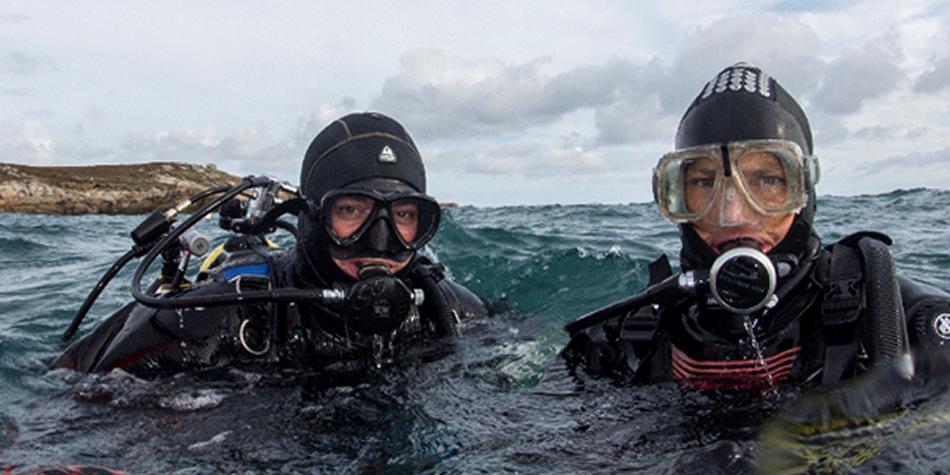
The Milford Haven Waterway in Pembrokeshire is one of the best places to dive in Wales. The sites are easy to reach, the marine life is spectacular and there are plenty of wrecks to explore. It's also a working energy port, home to some of the world's largest tankers, and the whole Waterway is a protected Special Area of Conservation. The Port's new Recreation Management Plan sets out how everyone shares the water safely.
The full plan is worth ten minutes of any Haven diver's time. To save you digging, we've pulled out the three things that matter most for divers: the routes to use, the zones to keep clear of, and where not to drop an anchor.
1. Navigation and access: know the routes
You'll be sharing the channel with commercial shipping, including very large tankers. Keep a good all-round lookout and stay well clear of vessels moving on and off the jetties.
Use the marked small-boat passages. These let you avoid the pinch points in the main channel:
|
Terminal |
Small-boat route |
Notes |
|---|---|---|
|
South Hook |
Marked passage |
Orange piles, 8-knot limit |
|
Impala |
Marked passage |
Orange piles, 8-knot limit |
|
Valero |
Marked passage |
Pass behind the jetty |
|
Dragon LNG / Valero (VPOT) |
No small-boat passage |
Recreational craft must pass to the south |
Zoning and speed rules apply to dive boats too. Observe the zoning scheme and the Dead Slow Minimum Wake (DSMW) areas.
Launching. Dale and Gelliswick are popular launch points for dive RHIBs. The full slipway table is in the plan.
For up-to-date information, see the Port's Enjoy the Milford Haven Waterway page.
2. Exclusion zones: the hard safety lines
Keep 100 metres away. There is a 100-metre exclusion zone around petroleum berths, LNG terminals and any vessel secured to them. Don't go closer without the Harbourmaster's permission (Byelaw 27).
Some zones move with the ship. Controlled and exclusion zones travel with prescribed vessels, including LNG tankers underway. Check the current Notices to Mariners before you launch.
Harbour Patrol is out all season. Patrol crews will stop and advise, record infringements and, for persistent or serious breaches, prosecute. Sticking to the rules keeps the Haven open to all of us.
3. Anchoring and the environment: protect what we dive for
Don't anchor in the sensitive habitat zones. These protect seagrass (Zostera marina) and maerl beds:
- Gelliswick to Lindsway Bay
- Longoar Bay
- Angle Point to Ellen's Well
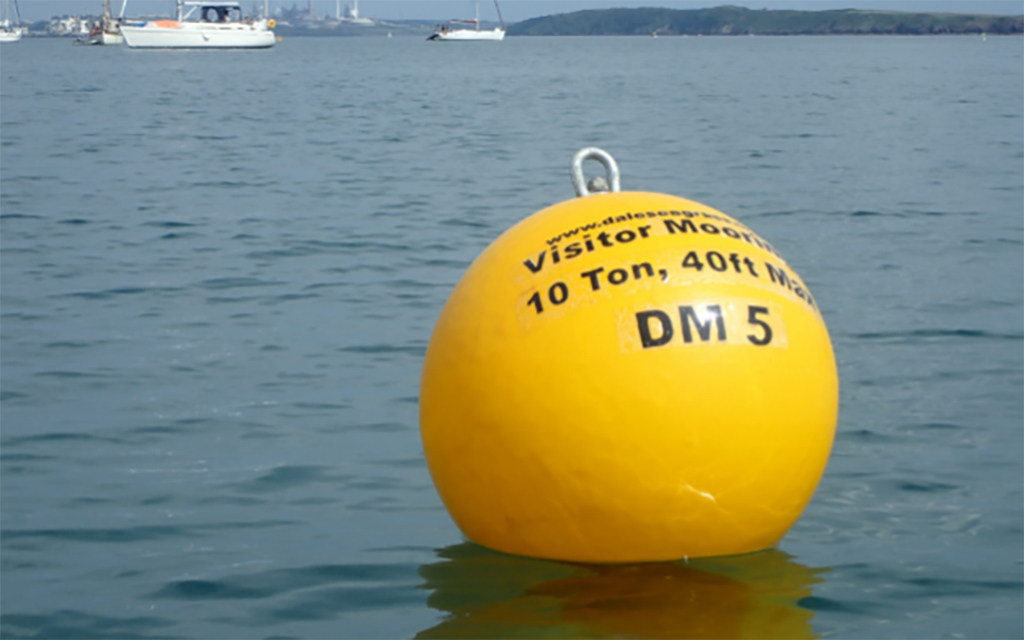
Use the visitor buoys instead. A voluntary donation helps keep them maintained. You can check which visitor buoys are currently active on the Port's website, and find out more about the habitats from the Pembrokeshire Marine SAC.
Heading out to Skomer MCZ? Follow the diving code of conduct, use the day-visitor moorings and no-anchoring buoys, and keep to the protection-zone speed limits (Plan Appendix 3).
The whole Waterway is a Special Area of Conservation, and the habitat is healthy. Anchoring responsibly keeps it that way, and keeps the Haven a fantastic place to dive.
Before you splash in
A quick checklist for your next Haven dive:
- Check the current Notices to Mariners for moving zones and shipping
- Plan your transit using the marked small-boat passages
- Know where the 100-metre exclusion zones are
- Pick a visitor buoy instead of anchoring in a habitat zone
- Have the current Leisure User Guide to hand
Want the detail? The most diver-relevant parts of the Recreation Management Plan are:
- Section 4.2.5: diving overview
- Appendix 3: Skomer MCZ notes
- Appendix 4: selected byelaws
Always refer back to the current Leisure User Guide. It carries the zoning maps, tide times and emergency contacts.
Safe diving, and enjoy the Haven.